BreakingNational
Bengal’s Education Reset: Politics Out, Accountability In
‘One Class, One Teacher’ formula proposed in primary schools
02 Nov 2026, 10:41 am IST·3 min read
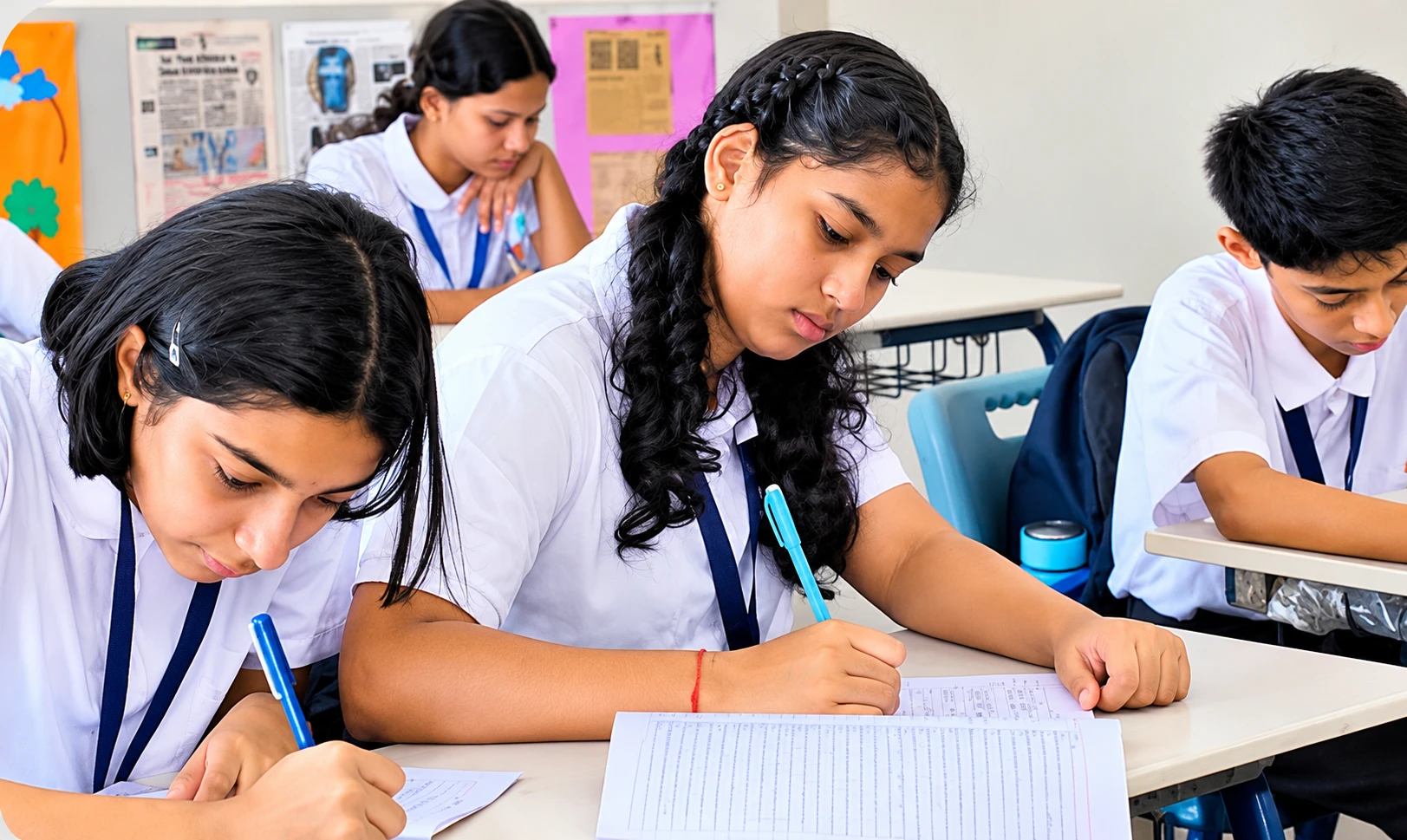
For decades, acrimonious teacher politics has been accused of contaminating the academic atmosphere in West Bengal’s educational institutions, undermining teaching standards and complicating administration.
Critics have repeatedly argued that teachers’ direct association with political parties in schools, colleges and universities has done little to enhance students’ academic merit or skills.
The Bharatiya Janata Party government led by Chief Minister Suvendu Adhikari is now seeking to change that equation through a significant intervention: keeping the newly recruited teachers away from direct electoral politics and bringing greater accountability into the classroom.
At a recent Cabinet meeting, Adhikari announced that teachers recruited in future will no longer be eligible to contest elections at any level, including panchayat, municipal, Lok Sabha and Assembly polls.
The condition has already been incorporated into the School Service Commission’s (SSC) new recruitment rules, the Chief Minister said.
Until now, West Bengal had no such restriction. Serving teachers could participate in electoral politics and contest elections, with several teachers having entered the electoral fray in this year’s Assembly polls.
The new provision, however, applies to future recruits and does not, as announced, cover those already serving in the education system.
Explaining the rationale behind the decision, Adhikari described it as a necessary measure to improve educational standards and allow teachers to concentrate on their primary responsibility: teaching and shaping students’ futures.
“We have taken an important decision. In no state of India do teachers remain directly involved in politics. The West Bengal government has taken a historic Cabinet decision. From today, the teachers who are recruited will not be able to contest in direct politics. That is, in panchayat, municipality, Lok Sabha or Assembly elections,” he said.
Taking jibes at the political legacy of the 34-year Left Front rule and the subsequent 15-year Trinamool Congress regime, the Chief Minister said his government was determined to restore the dignity and stature of the teaching profession.
“School is the temple of learning...we want the standard of education raised to a high level; this is a major initiative,” he observed.
One Class, One Teacher
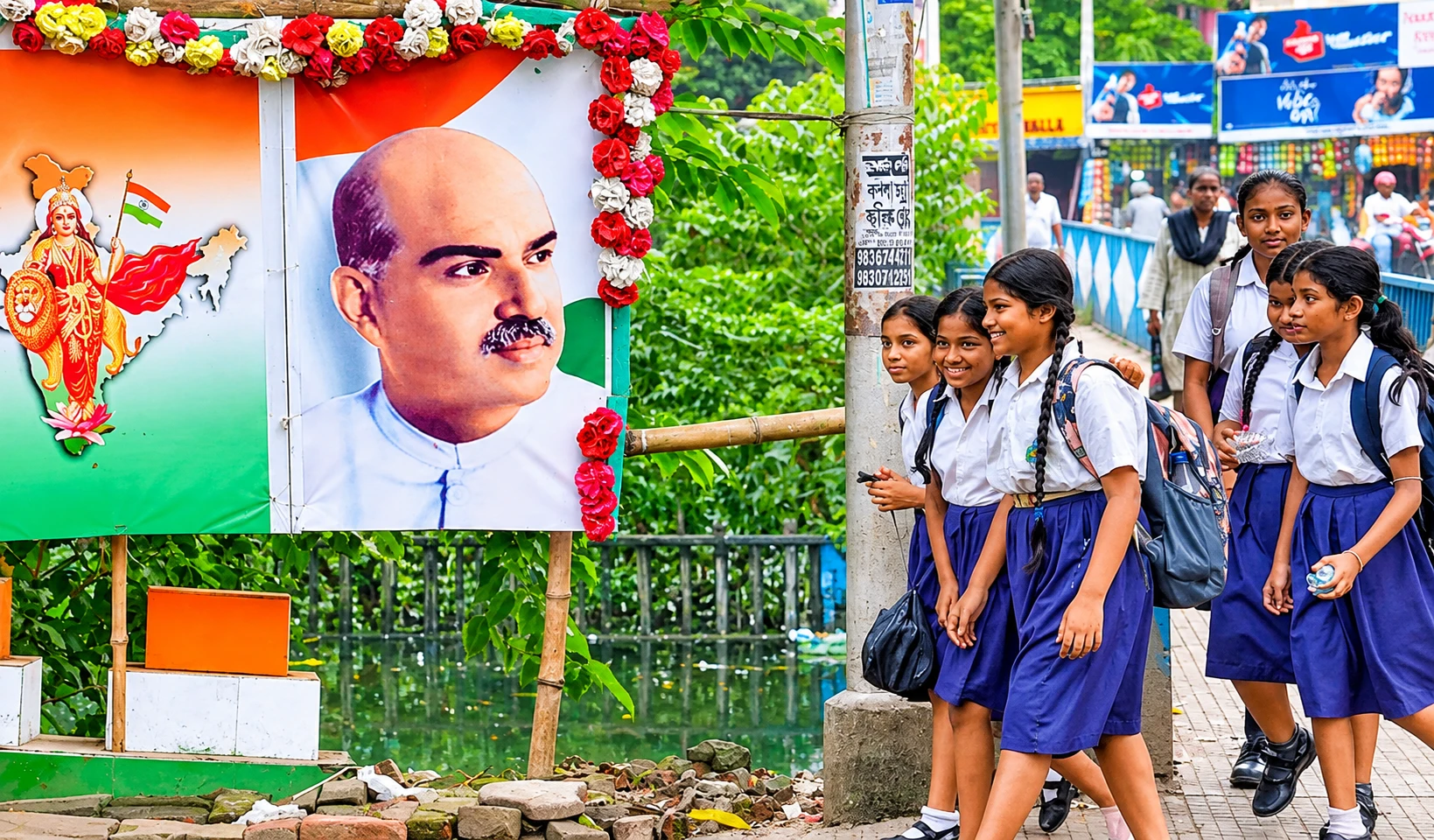
Another potentially significant reform surfaced soon afterwards when School Education Minister Deepak Barman disclosed that the government was considering a ‘One Class, One Teacher’ formula in primary schools.
Under the proposed model, one teacher would remain responsible for a particular class throughout the academic year. The government has also discussed linking teachers’ salary increments to the academic performance of students under their supervision.
The underlying argument is straightforward: sustained engagement with the same group of children would allow a teacher to understand each student's individual abilities, strengths, learning gaps and weaknesses.
Such familiarity could facilitate more focused interventions and contribute to the child's overall academic and personal development.
However, the proposal remains under consideration, with no official notification issued so far. Linking salary increments to student performance would also require carefully defined and equitable evaluation parameters, particularly to ensure that teachers are not judged solely by examination results.
The Larger Educational Question
Taken together, the two initiatives point towards an attempt to redefine the relationship between teachers, politics and the classroom.
The first seeks to insulate future recruits from direct electoral engagement; the second envisages greater continuity and accountability in primary education.
But policy declarations alone cannot transform an education system. Their success will ultimately depend on transparent implementation, professional autonomy, adequate infrastructure and measurable improvements in learning outcomes.
For Bengal, where education has historically been a source of intellectual pride, the larger challenge is not merely to remove politics from the classroom, but to restore the classroom itself to the centre of educational priorities.