BreakingNational
In the Mangroves, the Sunderbans Took Ajit
But his family turns a fisherman’s death into a legacy of life
10 Sep 2026, 10:06 am IST·3 min read
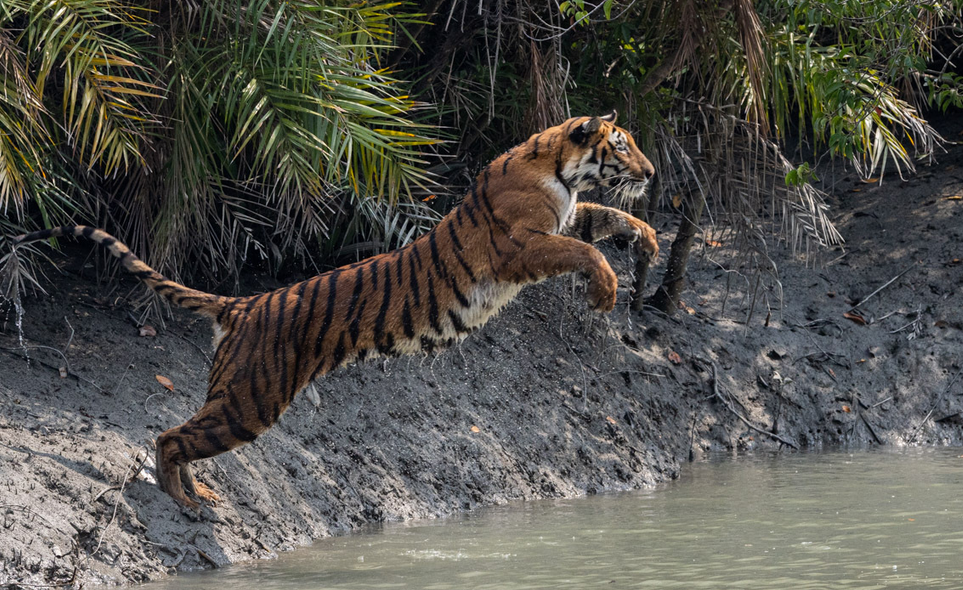
He went into the Mangroves to fish. He came back bearing a Gift of Life.
In the salt-laced wilderness of the Sunderbans, where survival is often a daily negotiation with nature, a humble fishing family has set an extraordinary example of humanity—by choosing to donate the organs of a loved one after brain death.
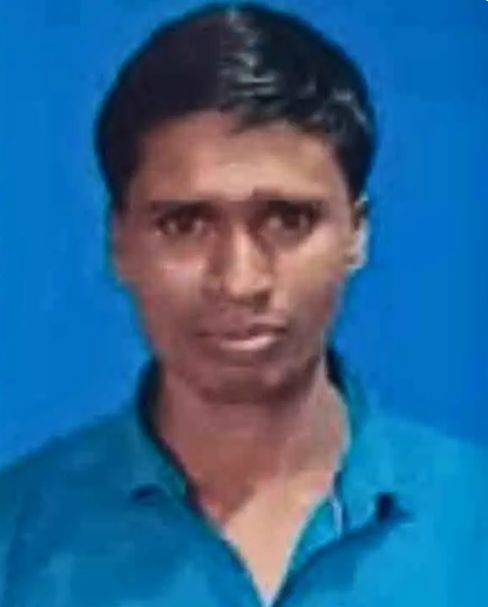
Ajit Molla, 36, a fisherman from remote Nagenabad in Kultali’s Maipith area, was brought to the trauma care unit of Kolkata’s SSKM Hospital last Wednesday with grievous injuries after a Royal Bengal tiger attacked him while he was fishing in the mangrove forest.
On Sunday last, doctors informed his family that Ajit had suffered brain death. And there was no hope of bringing him back.
But even in that moment of devastating loss, his family chose to give others a chance to live.
Following discussions with representatives of the Regional Organ and Tissue Transplant Organisation (ROTTO) at SSKM, the family consented to organ donation. On Tuesday, Ajit’s wife, Taslima Molla, signed the consent form, setting in motion the process of organ and tissue retrieval.
His liver, kidneys and corneas were initially retrieved. However, subsequent medical assessment found that only the corneas were suitable for transplantation; the other organs could not ultimately be used. The heart and lungs could not be retrieved either.
Yet the significance of the gesture goes far beyond the number of organs that could be transplanted.
Ajit belonged to a family and community living in one of the remotest corners of the Sundarbans, where educational opportunities remain limited and life is shaped by the unforgiving rhythm of the rivers, forests and tides.
Ajit himself had studied only up to Class V. Across three generations of his family, the highest level of formal education reached by one member of the second generation was Class IX.
And yet, when confronted with the finality of death, the family grasped a profoundly modern idea: that a human life need not end completely when the heart stops or the brain dies. Something of that life can continue through another human being.
The Tiger Attack
Ajit had gone fishing for hilsa near Kalibera Char, along the Vidya river, accompanied by relatives. When their fishing net became entangled in the Char (raised bank), Ajit deboarded the boat to free it with his cousins Hazrat, Ansar, Alam and Hafizul Molla, and his nephew Rezzak.
The tiger sprang from behind.
Before the others could react, Ajit was severely mauled on the head and left profusely bleeding. The others fought together to prevent the animal from dragging him away. He was first taken to Jamtala Rural Hospital and, given the severity of his injuries, was immediately referred to SSKM.
After doctors declared brain death, the conversation about donation began.
“We knew we would take our brother’s body home anyway,” Ajit’s brother Hafizul Molla said. “We thought we would find greater peace if his organs could help others live. The doctors explained everything to us. My sister-in-law agreed and signed the consent without hesitation.”
The Humane Part
That decision is significant in a country where posthumous organ donation still confronts misconceptions, social hesitation and deeply rooted fears.
Dr Arpita Raychowdhury, head of SSKM’s nephrology department, noted that superstition and misconceptions still prevent many families from consenting to organ donation after death.
The Molla family has shown that education is not the only route to empathy—or to an understanding of the value of life beyond death.
In the mangrove wilderness, a family that had just lost its own future chose to preserve the possibility of someone else’s.
And perhaps that is the most enduring legacy Ajit Molla could have left behind; and a family in the remotest mangrove wilderness discovers that even in death, a human being can leave a little more life behind.
About the Author
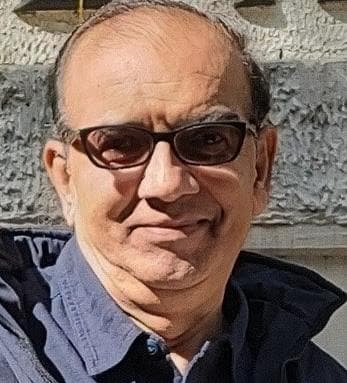
Prasanta Paul served Deccan Herald as the Chief of Bureau, Calcutta for nearly two decades before switching to work with various TV channels such as Al-Jazeera, CNN, German TV and CBS. He also headed the Eastern Bureau of Parliamentarian magazine. Mr. Paul who accompanied former Prime Minister Atal Behari Vajpayee on his overseas tour of Singapore and other Asian countries, travelled extensively to Bhutan, Sikkim and Darjeeling besides other Northeastern states. He briefly headed the Mizoram Bureau of the United News of India (UNI).
Discussion
Reader Comments
No comments yet. Be the first to share your perspective.
Similar Stories
National
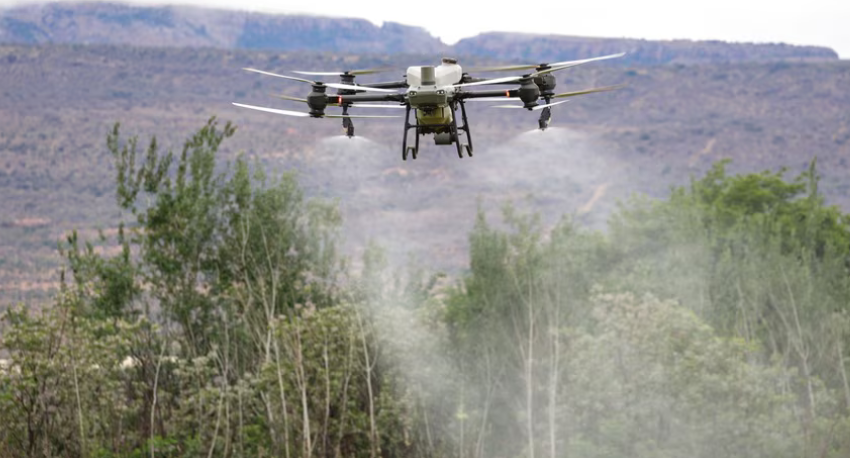
Junput’s New Defence Frontier: India Turns to the Invisible Battlefield
US-Iran War: the shift from visible kinetic warfare to the invisible battle for electromagnetic superiority is likely to provide India with a unique capability.
Prasanta Paul·12 Sep 2026

National
The Great Bengali Food Debate: Veg or Non-Veg?
Food choice, cultural plurality and who gets to prescribe faith; to eat or not to eat — that is the question. Goddess Uma has a reassuring message!
Prasanta Paul·11 Sep 2026
National
Opening of Space & Nuclear Segments: Who Protects the Knowledge Vault?
Private Space & Nuclear Sector Push Raises a Big Question: Who will guard India’s strategic sectors and ensure adherence to IPR?
Prasanta Paul·08 Sep 2026
