BreakingNational
New Delhi’s Rs 1 Lakh Cr. RDI push Sparks Bengal’s Deep-Tech Ambitions
The Eastern State eyes its next industrial leap
06 Sep 2026, 06:31 pm IST·3 min read
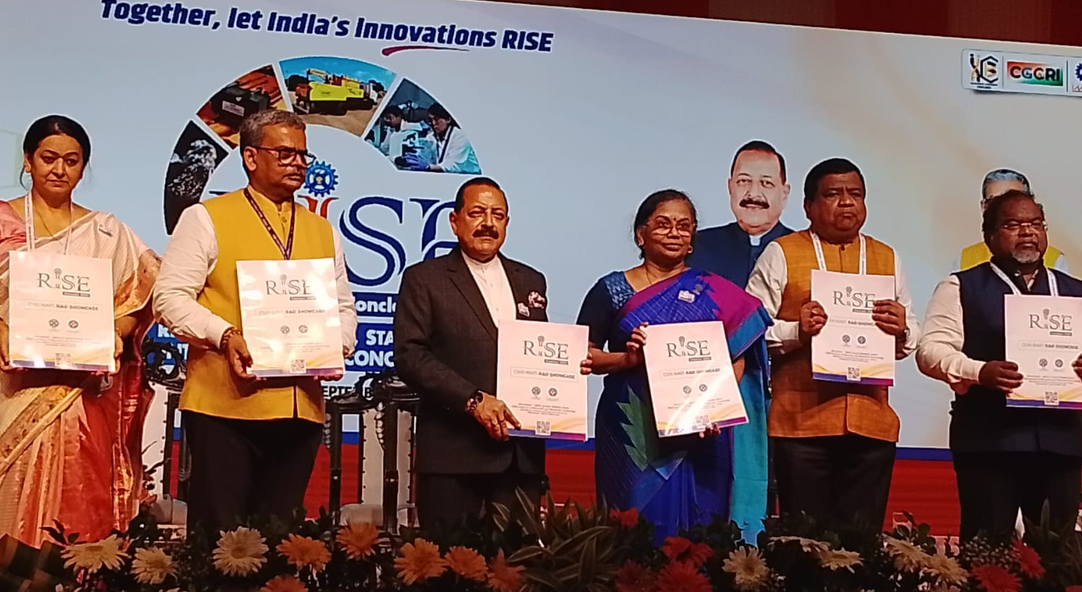
The Government of India’s Department of Science & Technology (DST) has sanctioned Rs 1,000 crore each to the Biotechnology Industry Research Assistance Council (BIRAC) and the Technology Development Board (TDB) as part of its visionary Rs 1 lakh crore annual fund for start-ups and private-sector research.
The corpus has been released to fuel aggressive growth in high-impact private ventures in areas such as space technology, drone technology and advanced robotics, Union Minister for Science & Technology Dr Jitendra Singh disclosed here on Sunday.
Interacting with the media on the sidelines of the RISE Conclave 2026, Dr Singh said the corpus was aimed at financing up to 50 per cent of project costs for transformative technologies at Technology Readiness Level (TRL) 4 and above—meaning technologies that have moved beyond basic laboratory research and are ready to be scaled up into commercially marketable products.
“The remaining 50 per cent is required to be generated by the start-ups themselves,” he pointed out.
The scheme is anchored by the Anusandhan National Research Foundation (ANRF) and implemented through the DST. The ANRF routes the capital through Second-Level Fund Managers (SLFMs) such as the TDB and BIRAC, from where the start-ups collect their allocated funds.
Officially known as the Research, Development and Innovation (RDI) Fund, the initiative was introduced by Prime Minister Narendra Modi to provide long-term, low- or nil-interest loans and risk capital.
The objective is to scale up private investment in deep-tech, strategic and sunrise sectors, helping businesses develop sovereign technologies and open up new avenues of commercial revenue, Dr Singh informed.
According to him, the number of start-ups jumped from a mere 350 to nearly 240,000 within a short span of three years, significantly enhancing India’s global visibility.
Replying to a question on whether the grant would be confined to the biotechnology sector, Dr Singh said it would encompass the entire start-up ecosystem, including Artificial Technology and quantum research.
“It will create strong linkages among science, start-ups and industry to accelerate the journey of indigenous technologies from laboratories to the marketplace,” he asserted.
Bengal to Undertake REE Exploration
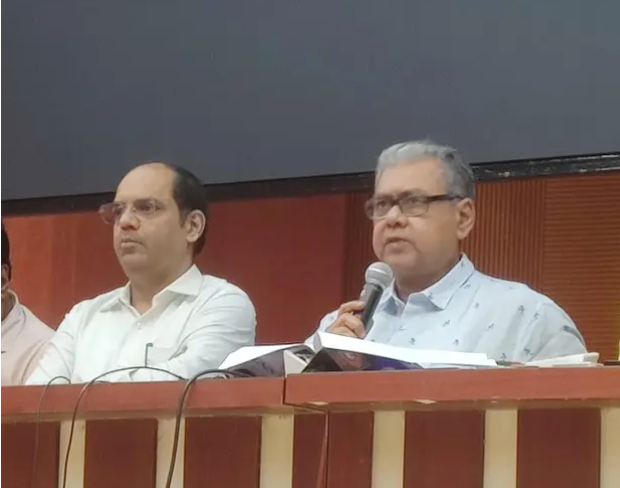
Taking a cue from Dr Singh, West Bengal Health Minister Dr Saradawat Mukherjee declared that the state government would shortly host an interface between the DST and its state-level counterpart to push ahead with the exploration of rare earth elements (REE) in Purulia district and several parts of North Bengal.
“Ranihati could play a big role in this regard,” Dr Mukherjee noted.
The West Bengal Small Industries Development Corporation (WBSIDC), it may be mentioned, has, in close partnership with the MSME Department, established a dedicated Foundry Park along the Ranihati-Amta Road in Howrah district to relocate and consolidate scattered foundry units from congested parts of the district.
Apart from this, the state Health Department will shortly hold an important session with Bengal Chemical & Pharmaceuticals Ltd. (BCPL), a central PSU, on large-scale commercial production and marketing of anti-snake venom serum.
Once recognised as one of the country’s earliest and pioneering indigenous manufacturers of anti-snake venom serum, BCPL was compelled to halt production of the life-saving serum at its Kolkata facility around 2006–2007 because of regulatory compliance updates relating to Good Manufacturing Practices and challenges associated with maintaining ageing donor animals such as horses.
Referring to Australia, where some of the world’s deadliest snakes are found, the Health Minister said that once BCPL starts producing anti-snake venom serum on a mass scale, the PSU could embark on exporting it to Australia.
Describing his interaction with industry representatives and start-ups at the RISE Conclave 2026 as an “eye-opener” and a “head-turner”, Dr Mukherjee quipped:
“Bengal had everything required—wherewithal for a fantastic industry take-off—but what it abysmally lacked was political will under the Trinamool regime.”
About the Author
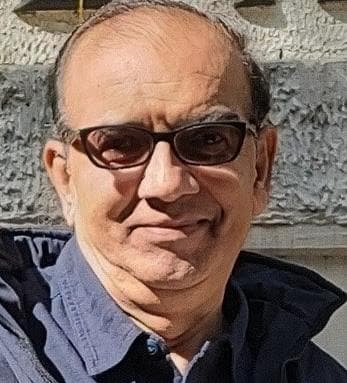
Prasanta Paul served Deccan Herald as the Chief of Bureau, Calcutta for nearly two decades before switching to work with various TV channels such as Al-Jazeera, CNN, German TV and CBS. He also headed the Eastern Bureau of Parliamentarian magazine. Mr. Paul who accompanied former Prime Minister Atal Behari Vajpayee on his overseas tour of Singapore and other Asian countries, travelled extensively to Bhutan, Sikkim and Darjeeling besides other Northeastern states. He briefly headed the Mizoram Bureau of the United News of India (UNI).
Discussion
Reader Comments
No comments yet. Be the first to share your perspective.
Similar Stories
National
Junput’s New Defence Frontier: India Turns to the Invisible Battlefield
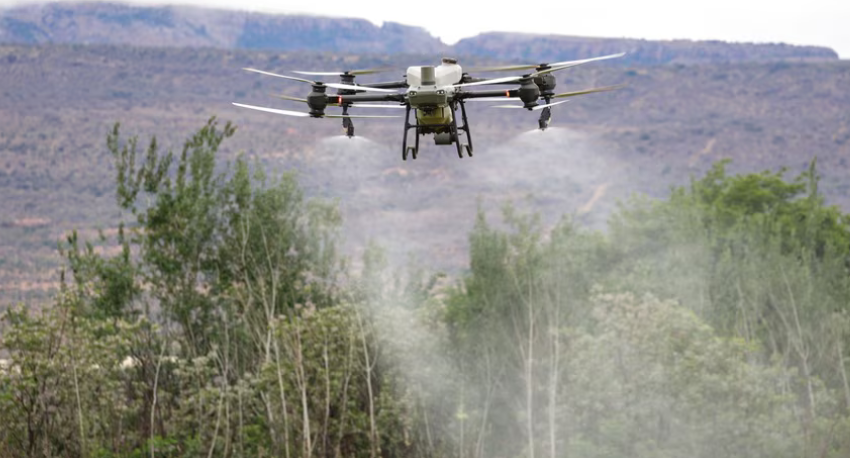
US-Iran War: the shift from visible kinetic warfare to the invisible battle for electromagnetic superiority is likely to provide India with a unique capability.
Prasanta Paul·12 Sep 2026

National
The Great Bengali Food Debate: Veg or Non-Veg?
Food choice, cultural plurality and who gets to prescribe faith; to eat or not to eat — that is the question. Goddess Uma has a reassuring message!
Prasanta Paul·11 Sep 2026
National
In the Mangroves, the Sunderbans Took Ajit
The extraordinary decision of a remote Sunderbans family to turn personal bereavement into a chance of life for others; illiteracy or superstition no bar.
Prasanta Paul·10 Sep 2026
