BreakingSeven Sisters
Tribal Alarm Over Chinese Encroachment on Sacred Ancestral Lands in Arunachal
Concern over China’s systematic campaign of territorial aggrandisement
30 Jun 2026, 10:08 am IST·5 min read
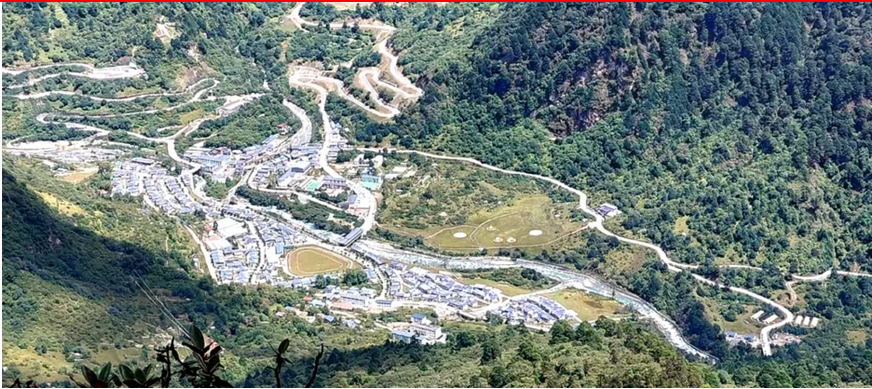
Has China — or its People's Liberation Army (PLA) — been pursuing a quietly relentless, systematic campaign of territorial aggrandizement along the remote, densely forested hill tracts of Arunachal Pradesh?
If the latest claims of the Nah tribal community are to be taken seriously, the answer is an unsettling one. The PLA, they allege, has been progressively seizing substantial portions of their ancestral grazing, hunting, and agricultural lands over the past six years — a creeping encroachment that has gone largely unnoticed by the wider world.
More alarmingly, in a formal memorandum submitted to district authorities, the community has alleged the construction of military camps and roads by the Chinese army on what is unambiguously Indian territory — an assertion that, if verified, would carry grave strategic implications.
The Nah community's allegations have since ignited a fierce political controversy in this critically sensitive border state, triggering urgent and widespread concern over reported PLA incursions along the international boundary in Upper Subansiri district — and raising uncomfortable questions about the adequacy of India's surveillance and response along its northeastern frontier.
NAH Memorandum
In a formal memorandum submitted to the Upper Subansiri Deputy Commissioner, Nah Welfare Society (NWS) President Keru Chader stated gravely: "Our ancestral lands — where we once roamed freely, harvested forest produce, and grazed our cattle — now lie under the occupation of the Chinese PLA."
The NWS has identified alleged Chinese activities across five strategic locations within the Taksing revenue circle of Upper Subansiri, contending that Beijing has been systematically extending its territorial footprint along the international boundary through the calculated occupation of geopolitically significant positions.
Nacho MLA Nakap Nalo, while urging measured caution, acknowledged the gravity of the situation. "The allegations must be officially verified by the administration," he stated, adding pointedly, "There are obvious concerns, given that this is fundamentally a matter of national security."
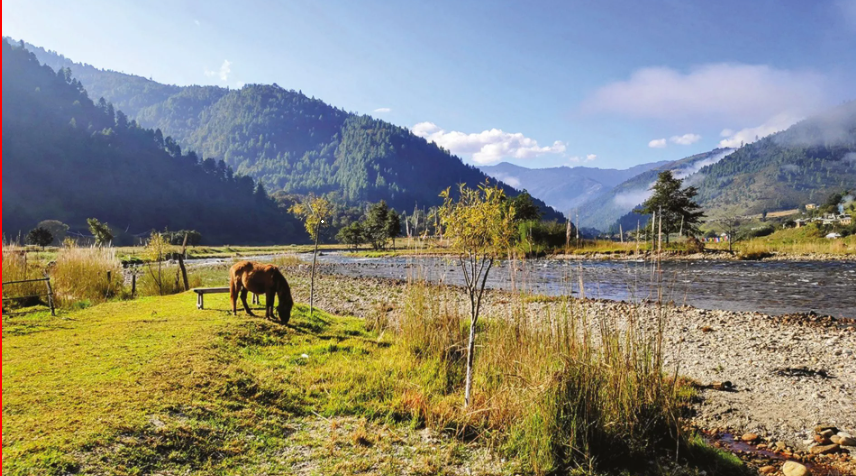
The NWS further alleged that Chinese activities along the Taksing border corridor have intensified considerably over the past 10 to 15 years, driven by what the organisation characterises as a deliberate and sustained strategy to maximise territorial acquisition.
Locations previously under traditional tribal jurisdiction as recently as 2020 are now reportedly under PLA control.
“They have constructed roads, bridges, and set up military camps at many locations along the border in our ancestral lands, which were our hunting grounds where we freely roamed and collected forest produce just a few years ago. Our cattle grazing areas are now under the occupation of the Chinese PLA,” the society alleged.
Sacred Ancestral Land Encroached
Of particular cultural sensitivity is the nature of several affected sites. Places such as Oying (Asaphila area), Paniar (Chujarta area), Marpan (Marnafe), Potrang (a lake), and Tindingtang — all in close proximity to Taksing headquarters — are said to have gradually succumbed to Chinese encroachment.
Significantly, some of these locations are revered as pilgrimage sites by the indigenous community, lending the dispute a deeply spiritual, as well as strategic, dimension.
“We do not doubt our Army and always have faith in them. They have been guarding our land for many years, but their efforts are not enough. The intention behind and the pace of the present activities of the Chinese PLA in the Taksing area are very alarming and a matter of grave concern for us.”
“We are losing our land inch by inch every day. On behalf of the entire people of Taksing circle, we request the government to immediately take necessary steps to safeguard our land from the Chinese PLA,” the NWS alleged in the memorandum.
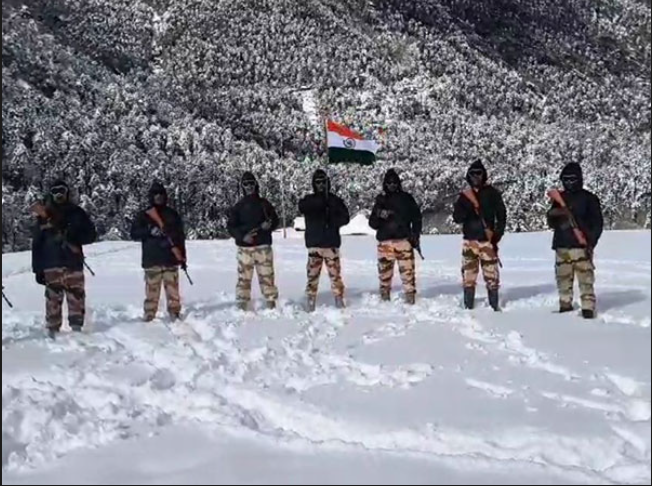
Indian Army Jawans Celebrating the Republic Day
S Jaishankar on Chinese Incursions
Earlier, external Affairs minister S Jaishankar had been quite forthright in his response to the charge of Chinese incursions in Arunachal Pradesh.
“China entered the border in 1959! What are you talking about?” he wondered aloud during a recently conclave in New Delhi.
“What happens is, in Arunachal Pradesh, we are very robust in our patrolling of the LAC. And I can tell you that you know, in terms of our patrolling in the LAC, there’s has been no major change in the last five-ten years or maybe even longer.”
Notably, for decades, China has been claiming Arunachal Pradesh as its part. A couple of years back, China had released a list of 30 places in Arunachal Pradesh in a bid to assert its claim over India’s northeastern state.
India had rejected such renaming of places by China, stating that assigning invented names will “not alter the (ground) reality that the state will always be an integral and inalienable part of India.”
Stating that “China has not occupied any of our land”, External Affairs Minister S Jaishankar said on Friday that the situation along the Line of Actual Control (LAC) remains “competitive, sensitive and challenging”.
This apart, National Security Adviser (NSA)Ajit Doval held talks with Chinese Foreign Minister Wang Yi, focusing on key aspects of bilateral engagement, including progress in the normalisation of the ties between the two countries.
The talks were held on the sidelines of the 16th BRICS National Security Adviser’s Meeting in New Delhi which concluded on June 23, 2026.
Mr Doval, in a post in X (formerly Twitter) "underlined that stable, predictable and constructive bilateral relations contribute to building of trust and better understanding between the two sides," and termed the discussions as "constructive and forward-looking."
As of press time, neither the district administration nor the state government has issued any official response to the allegations. Deputy Commissioner Gambo Tasso and other senior district officials remained unavailable for comment — a silence that the affected community may find increasingly difficult to accept as anxieties along this sensitive frontier continue to mount.
About the Author
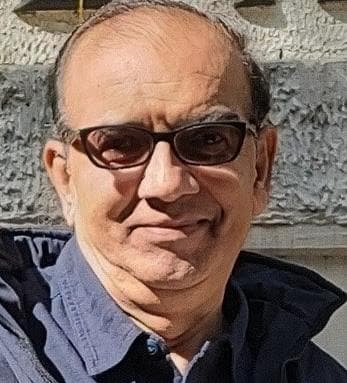
Prasanta Paul served Deccan Herald as the Chief of Bureau, Calcutta for nearly two decades before switching to work with various TV channels such as Al-Jazeera, CNN, German TV and CBS. He also headed the Eastern Bureau of Parliamentarian magazine. Mr. Paul who accompanied former Prime Minister Atal Behari Vajpayee on his overseas tour of Singapore and other Asian countries, travelled extensively to Bhutan, Sikkim and Darjeeling besides other Northeastern states. He briefly headed the Mizoram Bureau of the United News of India (UNI).
Discussion
Reader Comments
No comments yet. Be the first to share your perspective.