BreakingNational
A New Tourism Menu for Bengal: Weddings, MICE and a Destination in Every District
A resurgent Bengal to serve up a fresh tourism bouffe
25 Aug 2026, 10:12 am IST·3 min read
Destination weddings against Bengal’s royal, riverine and mountain backdrops; a convergence of celebrated chefs from India and abroad; and a concerted push for high-value MICE events — a resurgent West Bengal is preparing to serve up a tourism bouffe that travel buffs may find increasingly difficult to ignore.
Behind the ambitious menu lies what appears to be a wider attempt by the state government to overhaul not only tourism infrastructure but also Bengal’s tourism outlook.
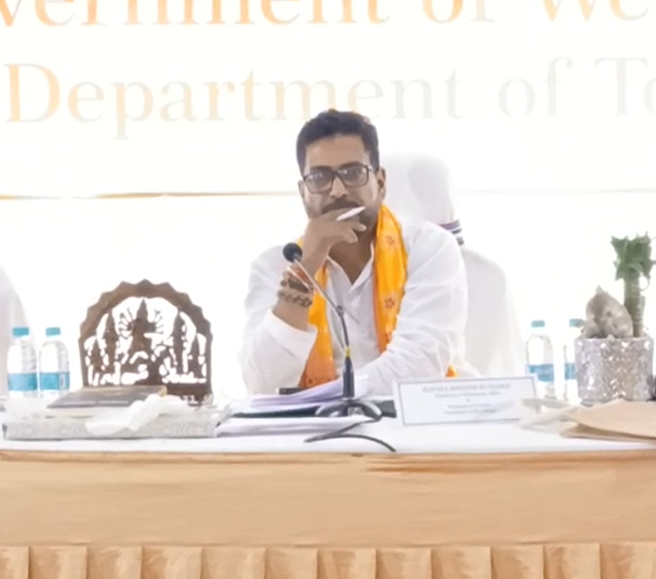
The West Bengal tourism department, headed by Tourism Minister Shankar Ghosh, has set the process rolling with an ambitious new idea: One District, One Destination.
The objective is simple, though its execution will be far more challenging — to take tourism beyond a handful of familiar destinations and identify, develop and market attractions across all 23 districts.
“We have drawn up plans to project Bengal as a major wedding destination and also promote MICE — Meetings, Incentives, Conferences and Exhibitions,” Ghosh said at a crowded news conference at Salt Lake’s Udayachal Tourist Lodge.
The search for destinations, he said, has been decentralised. All district magistrates, additional district magistrates and officials at divisional and sub-divisional levels have been involved in identifying tourism potential in their respective areas.
But identifying a picturesque location is only the first step. The larger question is whether Bengal can provide the infrastructure and services that the modern traveller — particularly the high-spending tourist — now takes for granted.
Ghosh appeared conscious of that challenge.
The tourism department is planning to construct at least 1,000 new Amenity Centres, equipped with essentials such as drinking water, restrooms and childcare facilities. The proposed infrastructure is expected to be funded through a combination of state and central schemes and Corporate Social Responsibility, or CSR, contributions.
“Unless the palette is ready, discerning tourists will not opt to visit,” the minister acknowledged, underlining the need to dovetail destinations with proper infrastructure and professional services.
Private-sector participation, therefore, will be crucial.
About 450 wedding planners, Ghosh said, have already approached him and expressed interest in promoting Bengal as a wedding destination. But converting that interest into a viable industry will require planned development of hotels, transport, venues, event services and the entire hospitality ecosystem.
The government has held a series of meetings with hoteliers, tour operators and other stakeholders to generate ideas as well as employment. A district-wise tourism package, highlighting important attractions in every district, is also being worked out.
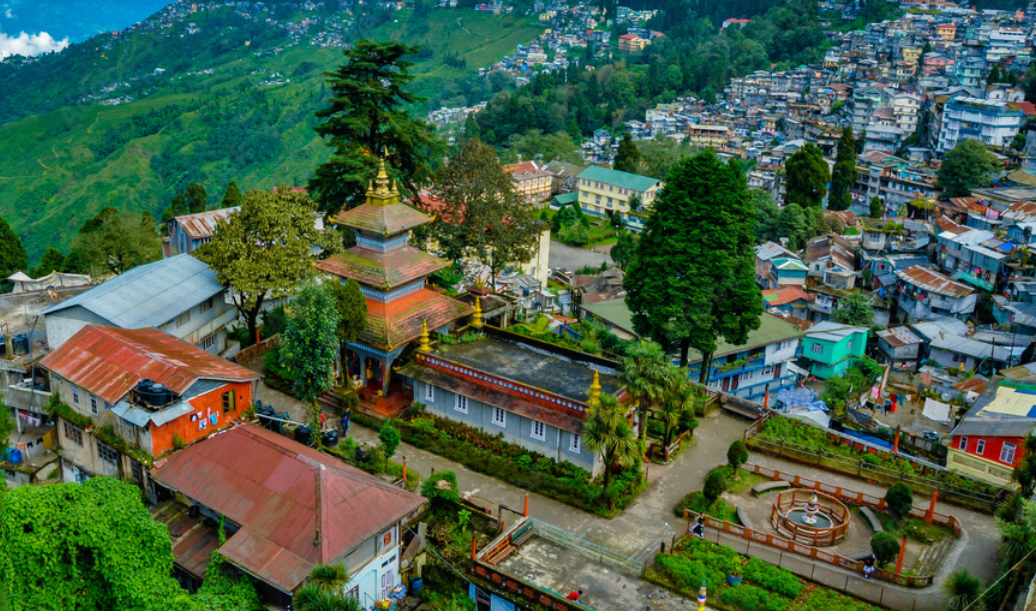
Each district has been asked to prepare a Detailed Project Report, or DPR. Once these reports are received, Ghosh said, work would begin “on a war footing”.
The government also plans to launch an Active District Tourism Helpline, aimed at providing assistance and information to visitors — a small but potentially significant step in making tourism more visitor-friendly.
The travel industry, the minister said, has assured the government of its support. Skill-development and orientation programmes are also planned for micro, small and medium enterprises associated with tourism, recognising that a successful tourism boom cannot be built on destinations alone; it needs trained people behind every hotel desk, vehicle, restaurant and tourist experience.
A modern Hotel Management Institute is to come up in Siliguri, the gateway to the Northeast, to feed the expanding hospitality sector with skilled manpower.
The latest initiative follows the government’s five strategic priorities announced earlier — Reimagining the Brand of Bengal, From Potential to Performance, Tourism for All, Gateway to the East, and Partnership for Progress.
Durga Puja is expected to remain one of the centrepieces of this global branding exercise. An international campaign — “Durga Puja – A Global Festival, An Eternal Passion of Bengal” — seeks to project the state’s cultural heritage through its pandals, rituals, art, music and extraordinary community participation.
Special tourism circuits, festival-based experiences, digital visitor guides and global promotional campaigns are also on the drawing board.
The real test, however, will lie beyond slogans and announcements: whether Bengal can transform its immense but scattered tourism potential into seamless experiences that visitors will remember — and return for; and whether the new economic table in every district has something distinctive to serve.
About the Author
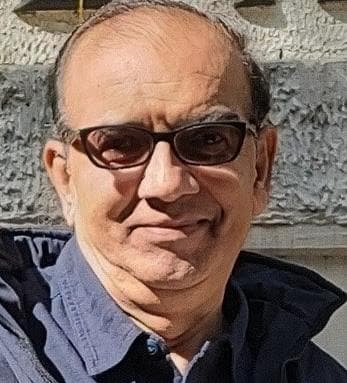
Prasanta Paul served Deccan Herald as the Chief of Bureau, Calcutta for nearly two decades before switching to work with various TV channels such as Al-Jazeera, CNN, German TV and CBS. He also headed the Eastern Bureau of Parliamentarian magazine. Mr. Paul who accompanied former Prime Minister Atal Behari Vajpayee on his overseas tour of Singapore and other Asian countries, travelled extensively to Bhutan, Sikkim and Darjeeling besides other Northeastern states. He briefly headed the Mizoram Bureau of the United News of India (UNI).
Discussion
Reader Comments
No comments yet. Be the first to share your perspective.