BreakingNational
China’s TBM Export Curbs Spur India’s Push for Tech Self-Reliance
L&T developing a prototype TBM using indigenous technology
03 Nov 2026, 10:16 am IST·3 min read
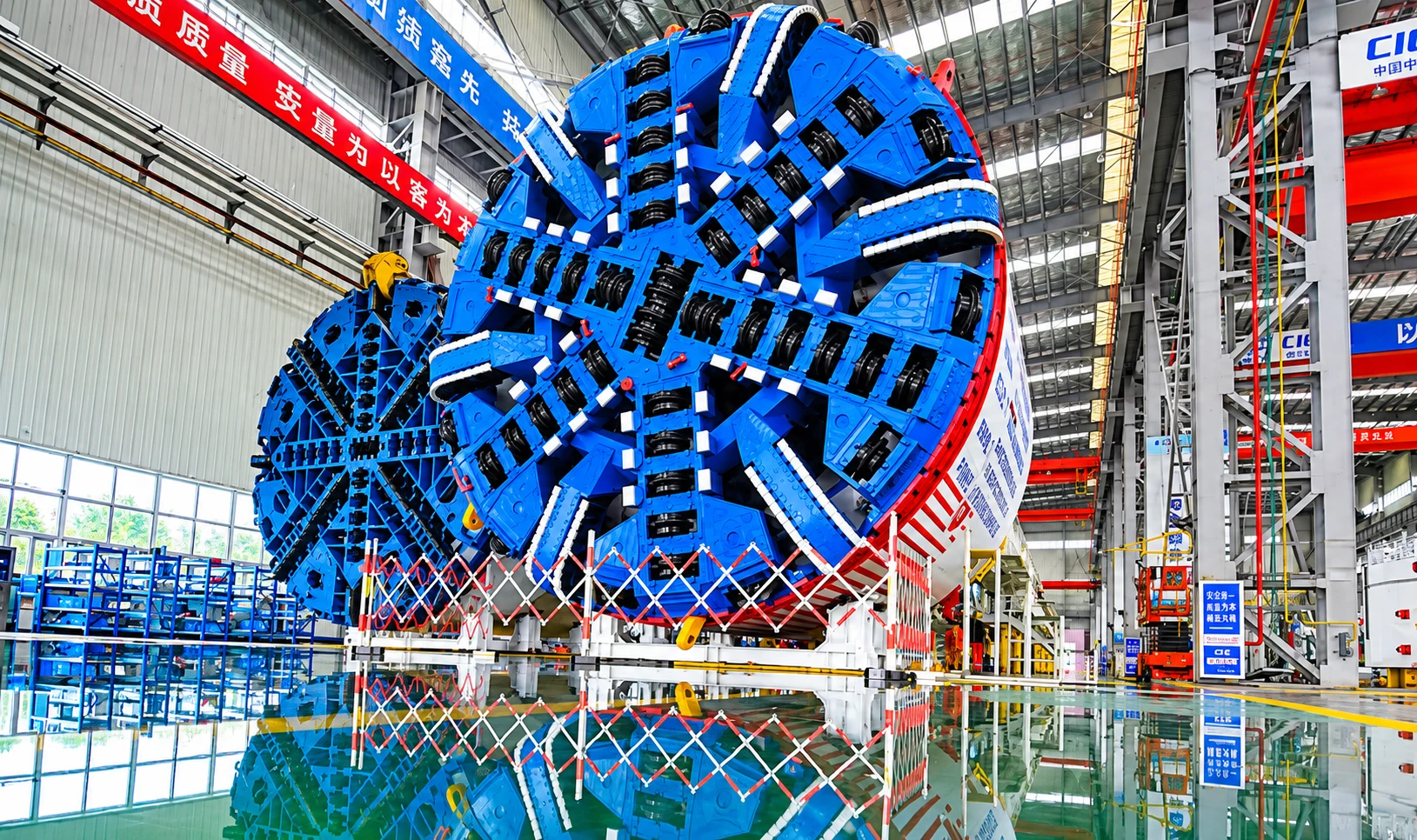
A Chinese export restriction intended to reinforce Beijing's technological dominance has ironically accelerated India's pursuit of further self-reliance.
Faced with fresh curbs on the export of heavy tunnel-boring machines (TBMs), New Delhi is stepping up efforts to develop indigenous technology while exploring alternative sources of supply to reduce its dependence on China.
Latest reports quoting Railway minister Ashwini Vaishnav said India is all set to manufacture TBMs exceeding 16 meters in diameter – an ecosystem encompassing design, production and maintenance.
The Chinese restrictions target sophisticated construction equipment, including massive TBMs weighing 5,000 plus tonnes to be precise, which are indispensable for excavating tunnels through mountains for railway lines, highways and metro networks.
Beijing's stated justification is the potential dual-use nature of such machinery, which can serve both civilian construction and military infrastructure development.
According to a Bloomberg report, the new restrictions also cover specialised equipment used for concrete spraying in high-altitude areas, besides components and spare parts.
The measures are expected to be particularly stringent for countries with which China has unresolved border disputes.
Why India needs indigenous manufacturing
Against the backdrop of continuing tensions along the Himalayan frontier particularly Arunachal Pradesh and Ladakh, India is widely seen as potentially among the countries affected.
The implications for India could be substantial.
The bitter skirmish at Galwan and the latest reports of alleged Chinese incursions in Arunachal Pradesh have compelled New Delhi to accord top priority to developing roads, railway links and tunnels in strategically sensitive border regions to facilitate the rapid movement of troops, military equipment and logistical supplies. Any disruption in the procurement, maintenance or servicing of TBMs could consequently affect the pace of these infrastructure projects.
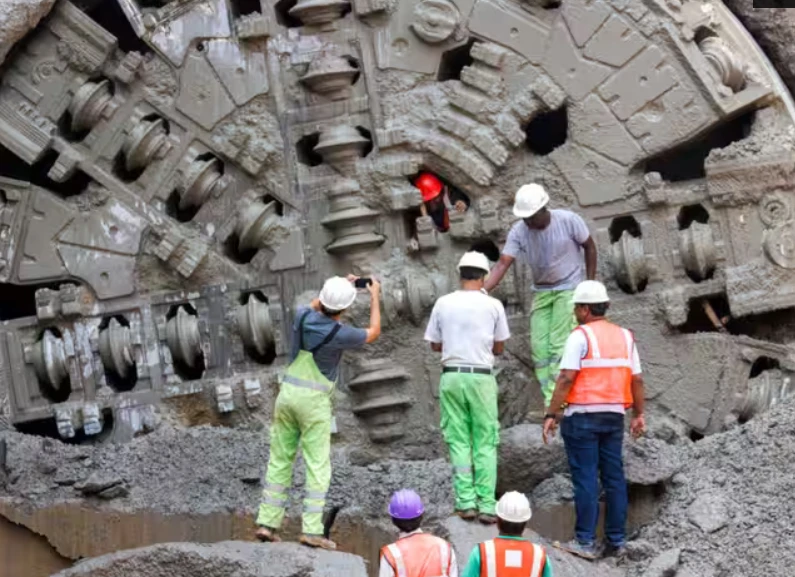
China's overwhelming market dominance makes the challenge particularly formidable. Restrictions extending beyond new machinery to critical components could also complicate the maintenance of existing equipment, potentially delaying projects whenever specialised replacement parts are required.
India has already experienced the consequences of Chinese export controls.
In 2024, restrictions affected the proposed supply of China-manufactured TBMs belonging to German engineering major Herrenknecht for major infrastructure projects, including the Mumbai-Ahmedabad bullet train corridor and Delhi Metro.
However, New Delhi appears determined not to allow such external restrictions to dictate its infrastructure ambitions.
The government is now emphasising indigenous TBM development, with India targeting investments of approximately $9.6 billion in tunnel construction over the next five years.
A financial assistance programme worth around $1.2 billion is also under consideration to encourage domestic manufacturers and strengthen the country's technological capabilities.
L&T Initiative
Engineering major Larsen & Toubro (L&T) is among the companies pursuing this objective. The company is developing a prototype TBM using indigenous technology and has indicated that successful trials could pave the way for its own manufacturing capabilities.
The emerging challenge, therefore, extends beyond procuring expensive construction machinery. It concerns India's ability to secure technological autonomy in infrastructure that has direct strategic and national security implications.
China's restrictions on rare-earth exports had already prompted India to explore domestic alternatives and diversify its supply chains.
The latest TBM-related curbs reinforce the same lesson: dependence on a dominant external supplier can become a strategic vulnerability when geopolitical equations deteriorate.
For India, the answer increasingly lies in developing the technological capacity to build, operate and maintain critical machinery at home.
What Beijing may have intended as an instrument of export control could thus become another catalyst for India's industrial self-reliance.