BreakingEntertainment
Geeta Dutt: The Nightingale Whose Song Was Silenced Too Soon
Her songs remained suspended in the silence that followed
21 Jul 2026, 01:45 pm IST·4 min read

Music director Sachin Dev Burman had kept aside a song for one singer. He wanted her to sing it.
But fate had other plans.
How could she sing when a dark, metallic copper of blood was already creeping up her throat."?
The voice that had once enchanted millions was slowly being consumed by illness. Heartbroken, Burman eventually recorded that song himself—the song he had reserved for her.
It was perhaps his own quiet tribute to a singer he knew could never be replaced.
With countless unfulfilled dreams, the daughter of a zamindar family from Faridpur in Bangladesh left this world far too early.
The family had moved to Calcutta during the Second World War before finally settling in Bombay. Music flowed through her veins. She possessed dreamy eyes and an ever-present, gentle smile. Then one day, that magical voice travelled from the shores of the Arabian Sea to every corner of India.
What a voice it was!
Sweet, intoxicating and effortlessly expressive, it carried an emotional depth that few singers have ever matched. Listeners were spellbound by its silvery resonance and understated elegance.
She came. She sang. She conquered.
She was Geeta Dutt (1931–1972).
It was Sachin Dev Burman's unforgettable composition "Tadbeer Se Bigdi Hui Taqdeer Bana De" from the film Baazi that announced Geeta Dutt's arrival on the national stage. Burman had instantly recognised a rare gem—a musical Kohinoor—and he gave her the platform she deserved.
Baazi was followed by Pyaasa, and Geeta Dutt's career soared. One memorable song after another became timeless classics:
"Yeh Hai Bombay Meri Jaan"...
"Mera Naam Chin Chin Chu"...
"Babuji Dheere Chalna"...
"Hum Aap Ki Aankhon Mein"...
Each song carried her unmistakable signature—a rare blend of innocence, sensuality and aching emotion.
Around this time, Bombay cinema had also welcomed a handsome young actor, producer and director—Guru Dutt.
He fell in love with the gifted singer, captivated as much by her grace as by her extraordinary talent.
Love blossomed.
Marriage followed.
Then came distance.
Soon whispers spread that another woman had entered Guru Dutt's life—Waheeda Rehman.
Guru Dutt himself seemed torn between two worlds. He could neither forget Geeta nor completely let go of Waheeda. For Geeta, the emotional wounds proved devastating.
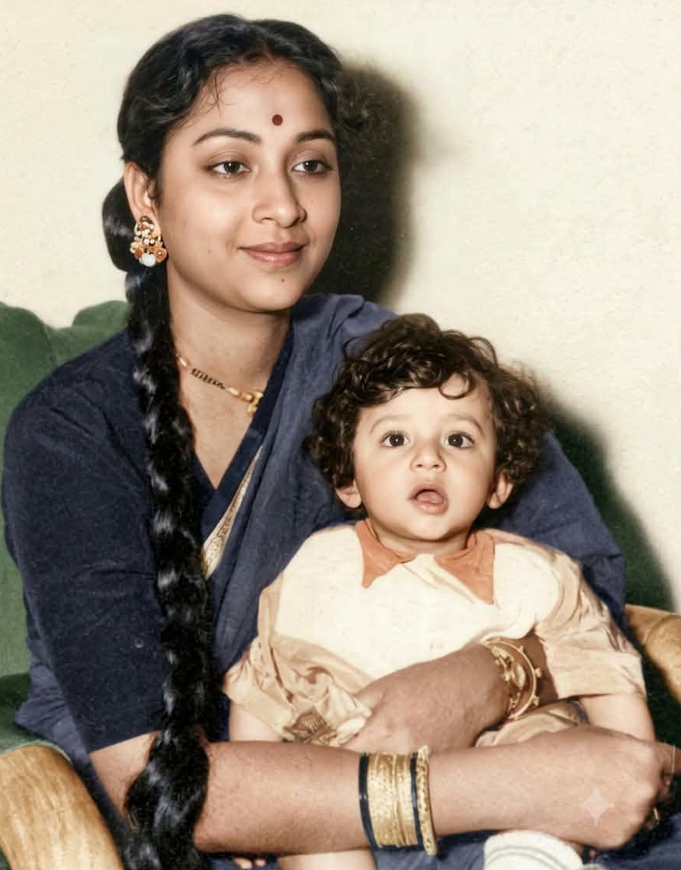
One can almost imagine her sitting alone, a glass in her hand, tears silently flowing, while songs continued to echo around her—
"Ei Sundar Swarnali Sandhyay..."
"E Ki Bandhane Jorale Go Bondhu..."
Or perhaps,
"Koto Gaan Haralam..."
"Jhanak Jhanak Kanak Kankan Baje..."
"Nishi Raat Banka Chand Aakashe..."
Life, however, was preparing an even crueller blow.
In 1964, Guru Dutt died after consuming alcohol and sleeping pills, a tragedy that has remained one of Indian cinema's enduring mysteries. His death shattered Geeta completely.
‘Bodhubaran’ (Welcoming a Bride) – a Bengali film in 1967 was her last public performance-cum-appearance where she acted in the role of a stranger seeking solace.
Thereafter, she slipped into a complete self-exile; her dependence on alcohol deepened. The songs too no longer brought her joy any more as a severe depression enveloped her being.
Yet beneath all the pain lay a truth neither could erase.
Their love had been so real. Some loves survive even after relationships collapse.
Sachin Dev Burman had once again kept a song aside for Geeta Dutt. But by then she was gravely ill. She never got the chance to record it.
In the end, Burman himself sang it:
"Banshi Shune Aar Kaj Nai, Se Je Dakatia Banshi..."
The flute had fallen silent.
The cuckoo's voice that had once thrilled generations with "Jhanak Jhanak Kanak Kankan Baje" could no longer sing. Instead, blood flowed from the throat that had gifted India some of its most unforgettable melodies.
The diagnosis was cirrhosis of the liver.
She was only 41 years old.
Yet Geeta Dutt's voice has never truly faded. It continues to live in every note that carries longing, tenderness and heartbreak. She sang not merely with technical brilliance but with a soul laid bare—turning every melody into an intimate confession.
There is an intimacy in her singing that is almost impossible to teach. Even when she sang a playful number like "Babuji Dheere Chalna" or "Mera Naam Chin Chin Chu", there was an undercurrent of humanity. And when she sang a song of longing, she didn't seem to be performing it—she seemed to be living it.
Lata Mangeshkar symbolised perfection, Asha Bhosle versatility, Kishore Kumar could overwhelm you with vitality. Mohammed Rafi could elevate you with purity.
But Geeta Dutt...
She made you feel that someone was confiding in you. Her voice seemed to carry an almost fragile humanity. She could make joy sound wistful and sorrow sound beautiful. Few singers have possessed that gift.
On her death anniversary, we bow our heads in deep respect before one of Indian cinema's most hauntingly beautiful voices.
Some singers become legends.
Geeta Dutt became an emotion.
About the Author
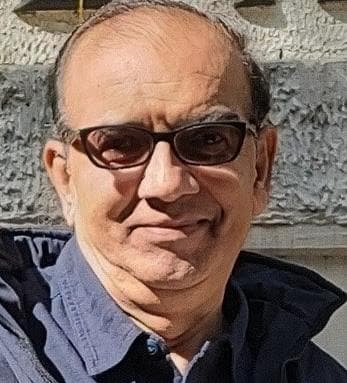
Prasanta Paul served Deccan Herald as the Chief of Bureau, Calcutta for nearly two decades before switching to work with various TV channels such as Al-Jazeera, CNN, German TV and CBS. He also headed the Eastern Bureau of Parliamentarian magazine. Mr. Paul who accompanied former Prime Minister Atal Behari Vajpayee on his overseas tour of Singapore and other Asian countries, travelled extensively to Bhutan, Sikkim and Darjeeling besides other Northeastern states. He briefly headed the Mizoram Bureau of the United News of India (UNI).
Discussion
Reader Comments
No comments yet. Be the first to share your perspective.