BreakingNational
GRSE & Yantra India Chart A Defence Shipbuilding Push in Bengal
Rajnath unveils major Investment from Kolkata to Raichak
24 Aug 2026, 01:02 pm IST·4 min read
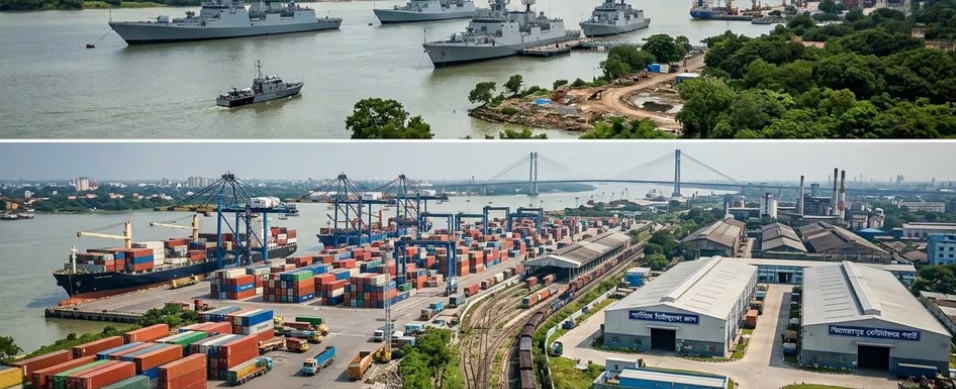
West Bengal is preparing to emerge as a new hub of India’s expanding shipbuilding and defence-industrial ambitions, with a major investment push set to strengthen the capacity to build and repair warships as well as commercial vessels along the Hooghly.
Defence Minister Rajnath Singh on Sunday laid the foundation stone for projects worth nearly Rs 3,500 crore in West Bengal, marking a major expansion of facilities belonging to Garden Reach Shipbuilders and Engineers Ltd (GRSE) and Yantra India Ltd.
The initiatives were launched in Kolkata in the presence of West Bengal Chief Minister Suvendu Adhikari.
The biggest strategic thrust of the expansion plan lies in the development of Raichak as a new shipbuilding centre.
GRSE, one of India's leading warship builders, has signed lease agreements with the Syama Prasad Mookerjee Port, Kolkata, for the use of two smaller shipyards located on either side of the Hooghly River, besides acquiring access to 32 acres of riverfront land at Raichak. The expansion is aimed at significantly enhancing the company's capacity for the construction and repair of warships.
But Raichak's proposed transformation could go beyond defence production. The new shipyard is expected to create facilities capable of building commercial vessels as well, opening up the possibility of a major shipbuilding cluster along the riverine corridor.
“The state will take steps to usher in a new renaissance of development. The days when West Bengal was associated with news of factory closures and lockouts are being replaced by the launch of new projects,” Rajnath Singh said at an event at GRSE.
The expansion drive will also give a new lease of life to GRSE's existing facilities in Kolkata.
Damodar Shipbuilding Facility
The Damodar Shipbuilding Facility at Khidderpore is being extensively modernised at an estimated cost of around Rs 70 crore. Once upgraded, the facility will be capable of building smaller vessels, including electric ferries, while infrastructure will also be created for repairing medium-sized ships.
At Shalimar, GRSE is investing about Rs 100 crore in the redevelopment of the Timber Pond Shipbuilding Facility. The modernised centre is expected to acquire the capability to construct medium-sized vessels and undertake their repair and maintenance.
Together, the projects represent a significant effort to expand India's shipbuilding ecosystem at a time when the country is pushing for greater self-reliance in defence manufacturing and seeking to reduce dependence on foreign suppliers.
Big Defence Investment at Ichapore
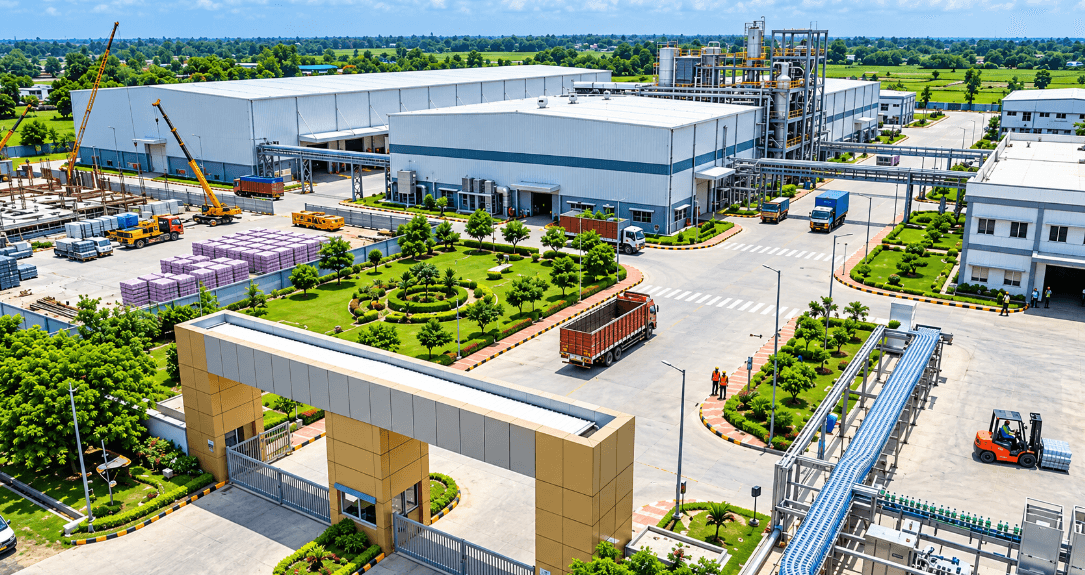
A major component of the investment is also headed for Ichapore, where Yantra India Ltd's Metal and Steel Factory is set for substantial expansion.
Two new units will be established with an investment of around Rs 750 crore. The facilities are expected to manufacture heavy defence equipment, gun barrels and components used in ammunition, adding significantly to India's indigenous defence-production capacity.
A radial forging plant is also planned to manufacture a wide range of critical components, including parts for armaments, tubes used in air-dropped bombs, components for nuclear reactors and axles for railway wheels.
The project underlines how the country's defence-industrial infrastructure is increasingly being designed for multiple strategic sectors—from conventional weapons to nuclear energy and critical transport equipment.
AK-203 ‘Sher’ Moves Closer to Indian Army Service
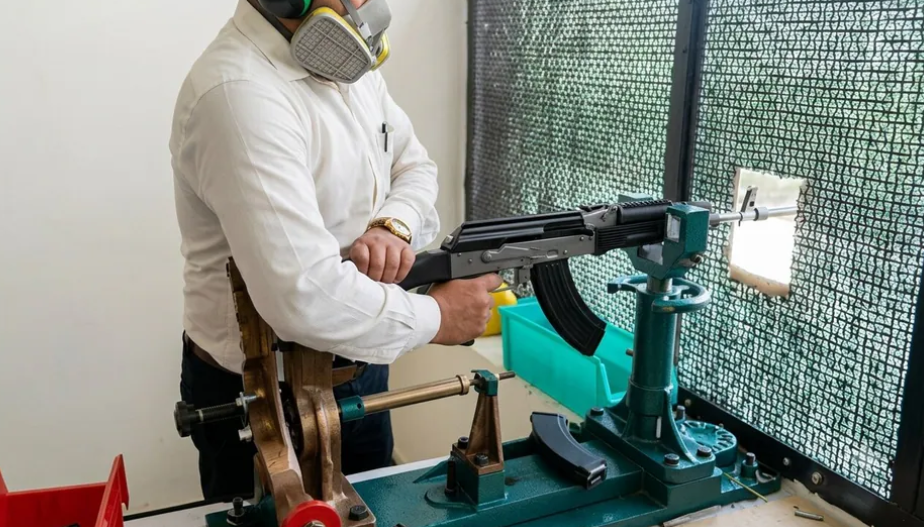
Meanwhile, India's march towards Atmanirbhar Bharat in the defence sector has crossed another important milestone with the successful testing of an indigenously manufactured AK-203 assault rifle at Amethi in Uttar Pradesh.
The rifle, made with 100 per cent indigenous components and raw materials, has reportedly been given the nickname ‘Sher’.
Successful test-firing has been carried out using the fully Indian-made version of the AK-203, with the weapon performing satisfactorily in both automatic and burst-firing modes. If the remaining processes proceed as planned, the rifle could eventually become an important weapon in the hands of Indian soldiers during operational deployments.
The move assumes particular significance against the backdrop of the Indian Army's long-standing demand to replace the INSAS rifle. The force had faced concerns over problems such as jamming in extreme cold and cracking of magazines, strengthening the case for a more reliable and modern infantry weapon.
From the riverbanks of the Hooghly to the rifle-production lines of Amethi, therefore, the message is unmistakable: India's quest for defence self-reliance is no longer confined to policy declarations. It is steadily taking shape—in shipyards, steel plants, forging units and factories—where the tools of national security are increasingly being built at home.
About the Author

Prasanta Paul served Deccan Herald as the Chief of Bureau, Calcutta for nearly two decades before switching to work with various TV channels such as Al-Jazeera, CNN, German TV and CBS. He also headed the Eastern Bureau of Parliamentarian magazine. Mr. Paul who accompanied former Prime Minister Atal Behari Vajpayee on his overseas tour of Singapore and other Asian countries, travelled extensively to Bhutan, Sikkim and Darjeeling besides other Northeastern states. He briefly headed the Mizoram Bureau of the United News of India (UNI).
Discussion
Reader Comments
No comments yet. Be the first to share your perspective.