BreakingNational
Has Bengal’s extortion culture crossed the political divide?
The faces can change. The flags can change. The method survives.
10 Aug 2026, 11:01 am IST·5 min read
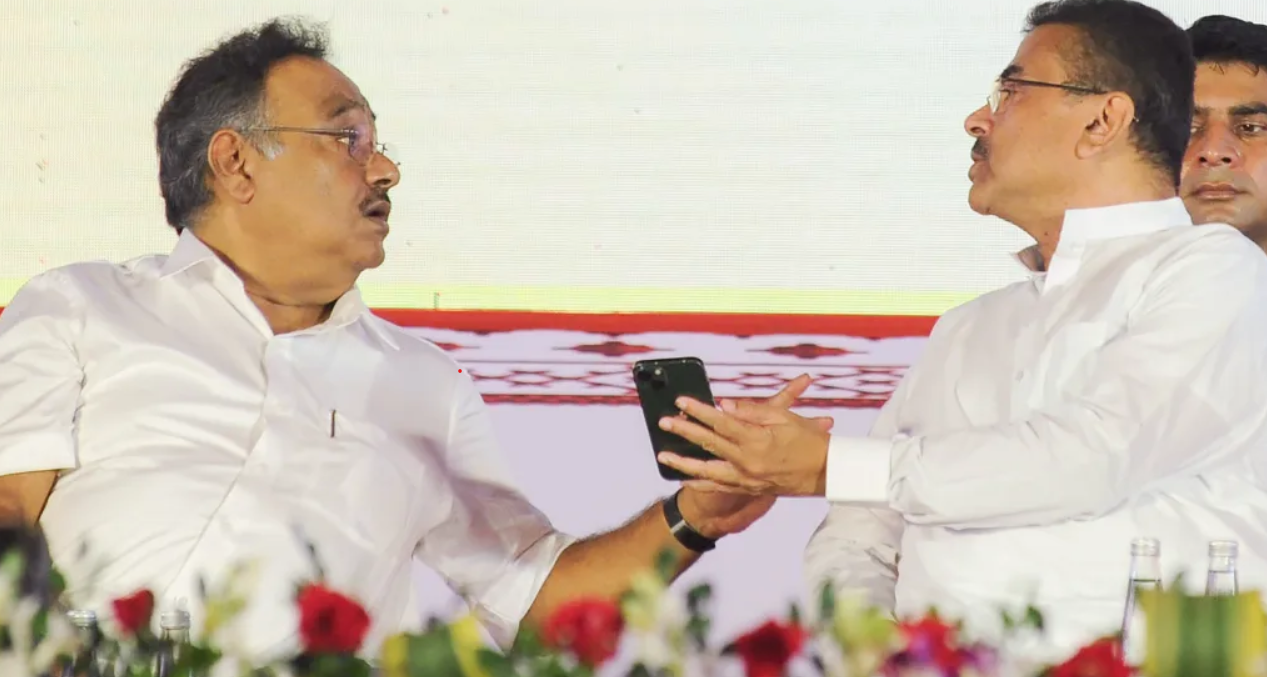
Power changes hands. Habits often do not.
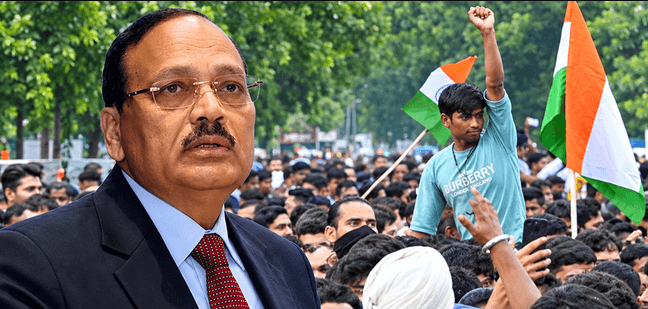
Barely three months after the Bharatiya Janata Party swept the Trinamool Congress out of power in West Bengal, the new government and its organisation have been confronted with an uncomfortable question: has the state’s deeply entrenched culture of extortion begun to migrate from the defeated party to the victorious one?
The irony could hardly be sharper.
The TMC had, for years, been accused by its political opponents of turning extortion, syndicates, “cut money” and political protection into an almost institutionalised ecosystem across Bengal. Now, before the BJP’s spectacular electoral victory has had time to settle into political permanence, allegations of similar practices involving some of its own workers and leaders have begun surfacing.
Alarmed by the possibility that an inherited political culture could become an acquired organisational disease, the BJP leadership has decided to crack the whip.
At least 25 party workers have reportedly been expelled for alleged involvement in extortion, while show-cause notices have been issued to more than 300 others.
The message from the state leadership is unusually blunt: the BJP will not allow the culture it promised to dismantle to find a new political home under its own banner.
For a party that rode to power on the promise of changing Bengal’s political culture, the stakes are considerably higher than a few cases of indiscipline.
The danger is that extortion is not merely a criminal activity. In Bengal, it has historically functioned as a parallel economy of political influence — connecting local party workers, contractors, promoters, syndicates and sections of the administration. Once such a network acquires political patronage, changing the government does not necessarily dismantle it.
The faces can change. The flags can change. The method survives.
That is precisely what the BJP is trying to prevent.
Review by BJP Central Leadership
The central leadership has been kept informed of the complaints, particularly at a time when the new administration is attempting to project Bengal as an industry-friendly destination after years of criticism over political interference and syndicate raj.
During his recent visit to Kolkata, Bengal BJP in-charge Sunil Bansal held a series of organisational meetings in which the issue figured prominently. Meetings with party leaders from Kolkata and Barasat were followed by a core committee meeting attended by Chief Minister Suvendu Adhikari, state BJP president Samik Bhattacharya and Union minister Sukanta Majumdar.
The party’s disciplinary machinery has been activated, while leaders of organisational districts and mandals have reportedly been instructed to watch for corrupt or unscrupulous activities and immediately alert the state leadership.
It is a pre-emptive strike against something far more dangerous than individual misconduct: the normalisation of misconduct.
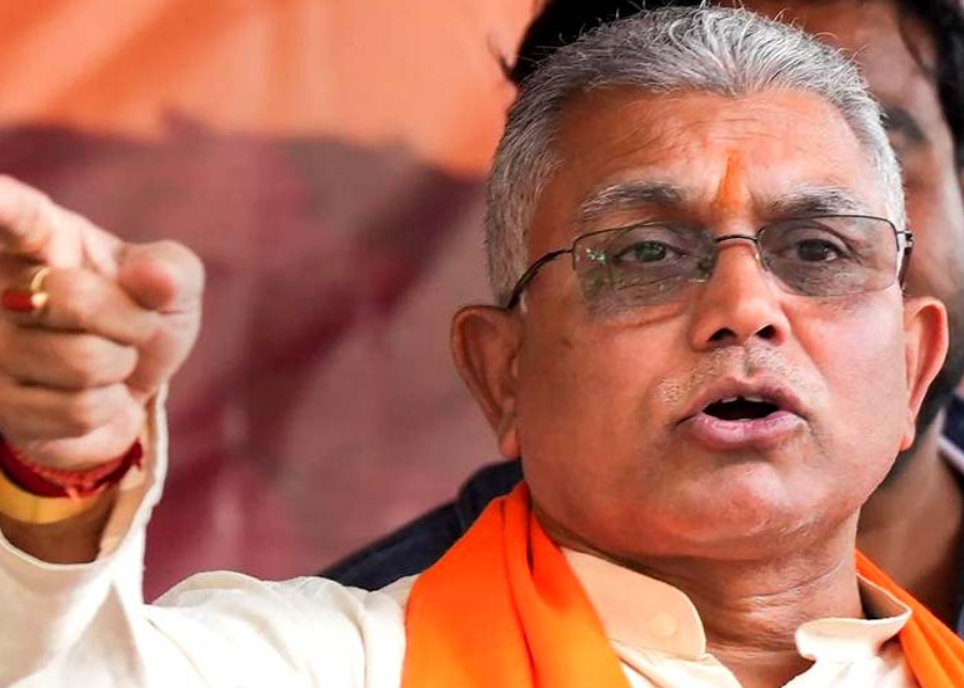
Panchayat minister Dilip Ghosh
Stern Caution from the Trio
The warning from senior BJP leader and Panchayat minister Dilip Ghosh was revealing. Without naming anyone, he cautioned that some newly elected legislators, intoxicated by their first taste of power, were beginning to attract extortionists around them.
Some new MLAs, he suggested, had begun behaving as though power had changed their relationship with the public. Their language and conduct were changing.
“Why did people change the government?” is, in effect, the question Ghosh has asked.
The complaints are not confined to one pocket of Bengal. BJP sources say allegations of extortion have emerged from Kolkata and its suburbs, South 24-Parganas, Hooghly, West Burdwan and Birbhum, among other places.
Even during Chief Minister Adhikari’s public grievance meetings, popularly known as “Janta Darbar”, people have reportedly alleged extortion and hooliganism involving individuals claiming BJP affiliation.
One recent case from South Dum Dum illustrates the political sensitivity.
A promoter was allegedly assaulted by men who had switched their allegiance from the TMC to the BJP. According to his allegation, he was struck with the butt of a firearm and left bleeding after being asked for Rs 5 lakh in connection with a new construction project.
BJP MLA Arijit Bakshi reportedly urged the promoter to lodge a police complaint regardless of the political affiliation of those accused.
That response matters.
For the BJP, the real test is whether the party can demonstrate that political affiliation will no longer provide immunity from law or organisational action.
Samik Bhattacharya has also acknowledged that there have been “deviations” in a few places, while insisting that Chief Minister Adhikari is taking firm administrative action and that the organisation is doing what is necessary on the political front.
Urban development minister Mrs Agnimitra Paul too warned that the party is watching and that it would eventually “settle the accounts”.
The warnings were unmistakable: do not become what the electorate removed you to replace.
Toll-Free Numbers to Stem the Rot
The government has gone a step further by launching four toll-free helplines through which people can complain about cut money, syndicate extortion, illegal toll collection and illicit liquor. BJP sources say the party organisation will separately monitor allegations involving its own members.
This dual mechanism — administrative action by the government and disciplinary action by the party — could become critical.
Because Bengal’s extortion economy has been about who is entitled to collect it, who is powerful enough to protect the collector, and who is frightened enough to pay.
That is why the BJP faces an unusual political paradox - the human infrastructure of the old political order.
The men who once collected money under one party’s protection may now find it convenient to migrate to another party’s protection. Political opportunists rarely have ideological difficulties when the flag changes. They simply follow the power.
It is a test of whether the party can govern Bengal differently from the way it says Bengal was governed for the previous 15 years.
About the Author
Prasanta Paul served Deccan Herald as the Chief of Bureau, Calcutta for nearly two decades before switching to work with various TV channels such as Al-Jazeera, CNN, German TV and CBS. He also headed the Eastern Bureau of Parliamentarian magazine. Mr. Paul who accompanied former Prime Minister Atal Behari Vajpayee on his overseas tour of Singapore and other Asian countries, travelled extensively to Bhutan, Sikkim and Darjeeling besides other Northeastern states. He briefly headed the Mizoram Bureau of the United News of India (UNI).
Discussion
Reader Comments
No comments yet. Be the first to share your perspective.