BreakingNational
India Opens Second Fighter Line, Pushes Stealth Combat-Aircraft Programme
HAL fails to qualify for ‘common technical reasons’
03 Oct 2026, 11:09 am IST·3 min read
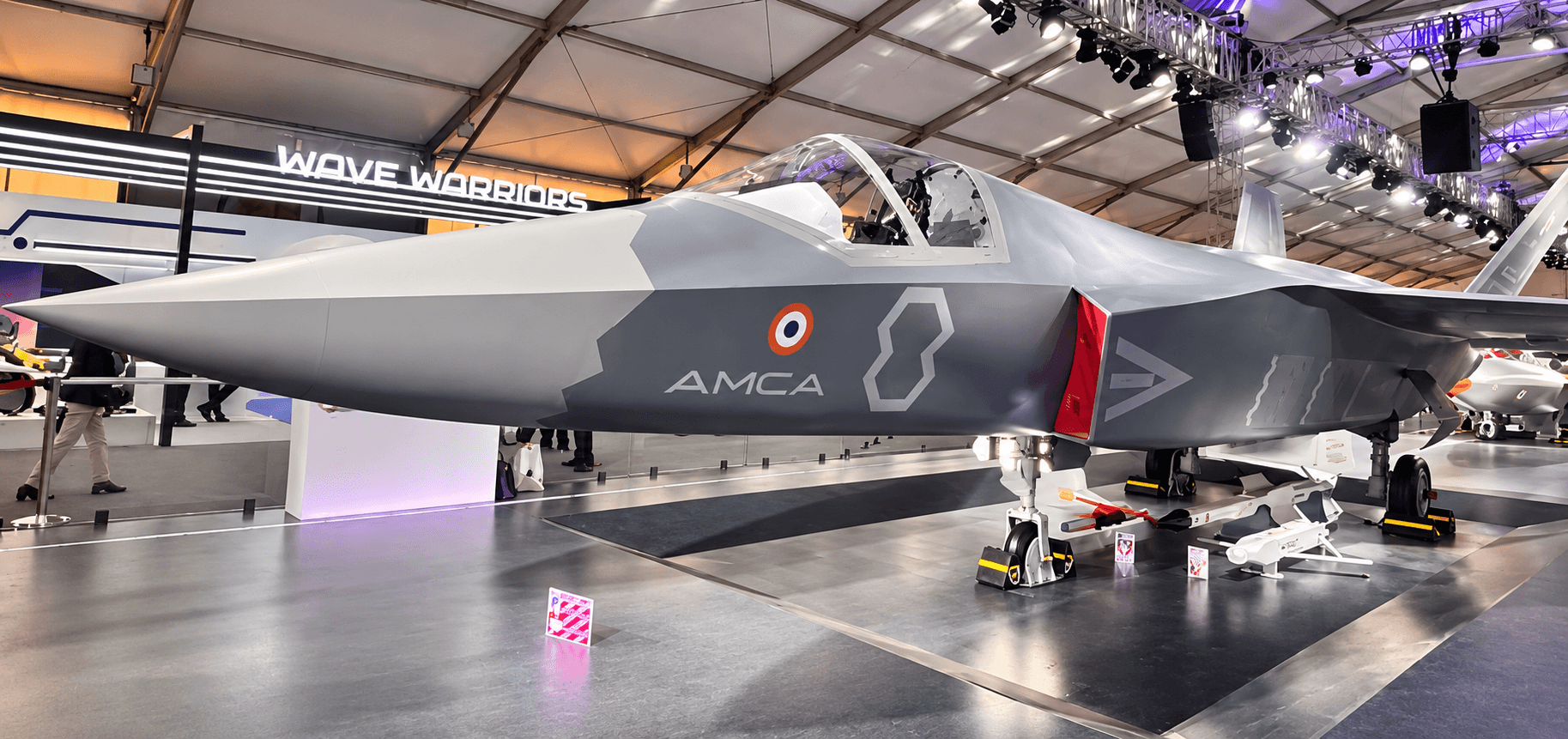
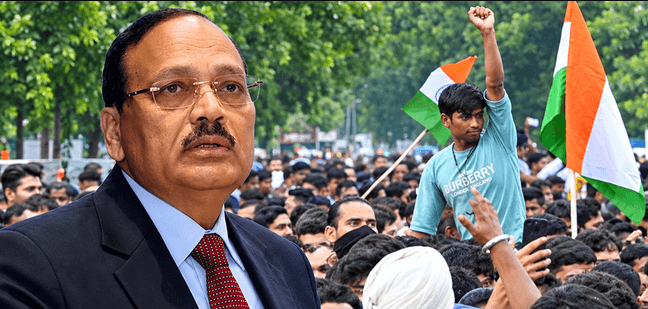
India has fast been moving to break what the Defence Secretary R K Singh described as the country’s long-standing practice of “putting all eggs in one basket” in the manufacture of Fifth General Stealth Fighter Jet--Advanced Medium Combat Aircraft (AMCA).
The government, Mr Singh asserted, has already opened the path for the private sector to build a second combat-aircraft production line.
Deliberating at the NDTV Defence Summit 2026 in New Delhi, Mr Singh said the objective was to diversify India’s fighter-manufacturing base and create another modern, state-of-the-art production line.
Three technically qualified and credible bidders have now survived the process. These include Tata Advanced Systems Limited (TASL) as a standalone bidder, while the other two are private-sector companies partnered with public-sector entities.
However, what shocked the defence experts is the failure of Hindustan Aeronautics Limited (HAL) to qualify on “some common technical reasons”, Singh said, without specifying the precise shortcomings.
And this is for the first time in the history of defence aviation that HAL has failed to make it to the qualifying grade.
The development follows a Ministry of Defence (MoD) process in which seven consortia had initially expressed interest. By February 2026, only three had met the mandatory technical and financial requirements. HAL, which had submitted a joint bid with two smaller companies, was among those that failed to qualify.
At the end of May, the Aeronautical Development Agency (ADA) issued a Request for Proposal (RFP), formally inviting the shortlisted bidders to submit detailed technical and commercial offers, including their financial bids.
The three bidders still in contention are Tata Advanced Systems (TASL); an L&T–BEL–Dynamatics consortium; and a Bharat Forge–BEML–Data Patterns consortium.
Prototype-Development Cost
The prototype-development phase, estimated at ₹15,000 crore, will be fully funded by the Central Government. The successful bidder will work jointly with ADA at Puttaparthi, Andhra Pradesh, to build five flight-worthy prototypes and one structural test aircraft. A new company will have to be incorporated within three months of contract finalisation.
The schedule is equally ambitious: the first flight within 30 months, all five prototypes within 64 months, and a total of 1,800 test sorties within 84 months.
Crucially, ADA will retain design authority over the fighter. The prototypes will initially be powered by General Electric’s F414 engine, the same engine which has been planned for the yet-to-be-unveiled Tejas Mk-2.
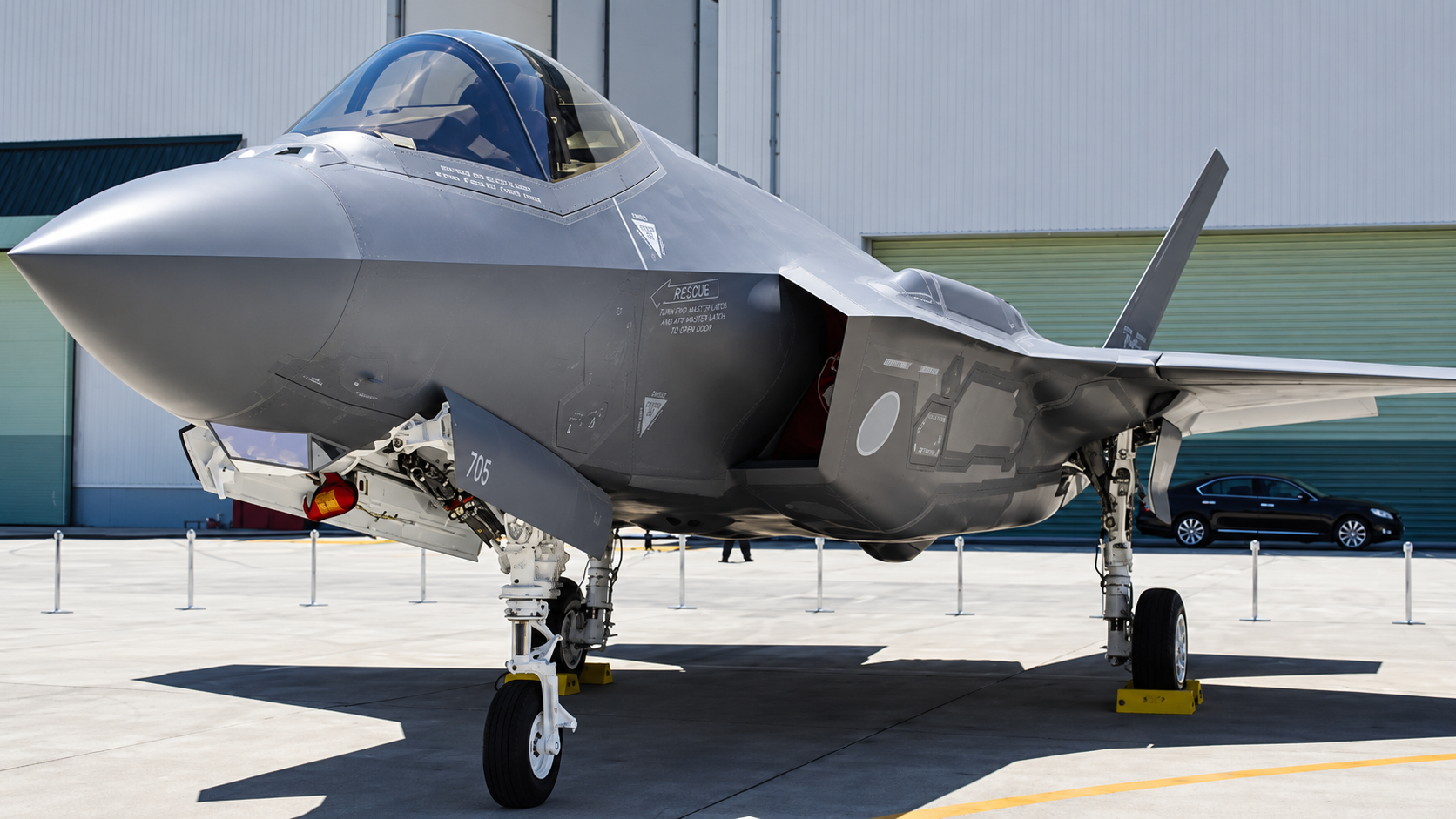
F 35A Stealth Fighter
Strategic Urgency
The strategic urgency is difficult to miss. China has already inducted more than 500 J-20 and J-35 stealth fighters into its military, while military observers believe the J-35 could eventually enter Pakistan Air Force service.
Against this backdrop, India expects the first MCA prototype to take to the skies in September 2028. At present, the Indian Air Force has no operational stealth fighter capable of evading radar detection, making the programme a significant step towards closing a critical gap in India’s future air-combat architecture.
The Rafale Deal
Concurrently, India's latest Rafale procurement deal is being positioned as more than an effort to strengthen the IAF's fighter fleet.
According to the Defence Secretary, the agreement with France will enable India to establish a second fighter-aircraft production line, with the Rafale jets to be manufactured in India with significant levels of indigenisation.
The move could expand India's domestic fighter-manufacturing capacity beyond the existing Tejas ecosystem. Importantly, the government says the Rafale programme will not replace the indigenous Tejas Mk1A effort.
The Tejas programme, Mr Singh added, will continue through a spiral-development approach, including increasingly indigenous radars and weapons.
The February 2026 DAC approval for additional Rafale aircraft specified that the majority of the MRFA fleet would be manufactured in India, potentially creating a parallel production ecosystem while India continues developing Tejas Mk1A, Tejas Mk2 and AMCA.
About the Author

Prasanta Paul served Deccan Herald as the Chief of Bureau, Calcutta for nearly two decades before switching to work with various TV channels such as Al-Jazeera, CNN, German TV and CBS. He also headed the Eastern Bureau of Parliamentarian magazine. Mr. Paul who accompanied former Prime Minister Atal Behari Vajpayee on his overseas tour of Singapore and other Asian countries, travelled extensively to Bhutan, Sikkim and Darjeeling besides other Northeastern states. He briefly headed the Mizoram Bureau of the United News of India (UNI).
Discussion
Reader Comments
No comments yet. Be the first to share your perspective.