BreakingNational
Massive Madrasa Shake-up In Bengal: 252 Face Closure, 100 More Under Scrutiny
Massive Madrasa Shake-up In Bengal: 252 Face Closure, 100 More Under Scrutiny
28 Sep 2026, 09:22 am IST·3 min read
What Buddhadev Bhattacharya, the CPI(M) leader and former West Bengal chief minister, wanted to do, but had been fiercely reined in by the party, present chief minister Suvendu Adhikari of the BJP has done it.
Bhattacharya, who had raised the issue in 2002 and 2003, told the state assembly in categorical terms that a section of madrasas in the border districts of the state had become a breeding ground for terrorism.
But unfortunately, Bhattacharya had to eat his words back after the party took a tough stand against it and fought shy of confronting an issue that had a direct bearing on the ballot box. The Marxist leadership knew it could lead to a massive rout in the elections.
His successor and Trinamool Congress supremo Mamata Banerjee who was no exception, turned a blind eye to the issue despite union home minister Amit Shah flagging the same as posing serious threat to the country’s law and order in the border districts.
Much to the chagrin of a section of the minority leaders, Suvendhu Adhikari finally declined to toe the line of minority appeasement.
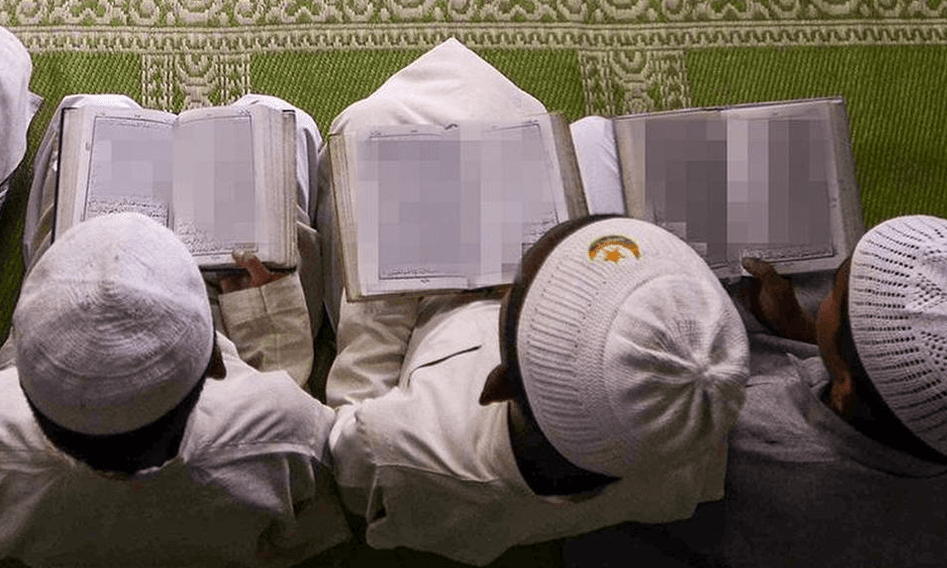
The Bharatiya Janata Party government in Bengal led by Mr Adhikari has recently ordered the closure of 252 madrasas found lacking requisite approval and basic infrastructure, while around 100 others have been served show-cause notices.
The action follows a statewide field-level survey examining approval status, infrastructure, management systems, teachers and student enrolment.
But the exercise may be only the beginning.
The government is now examining the future of another nearly 250 recognised private madrasas where student numbers are negligible or basic infrastructure is reportedly inadequate. Administrative sources indicate that fresh action could be taken after the current academic session, potentially by December.
Around 100 institutions already served show-cause notices have been given an opportunity to explain their position and furnish documents relating to authorisation, infrastructure and other requirements. Their replies will determine the next step.
Administrative discussions suggest that more than 50 could eventually face closure if their responses are found unsatisfactory.
No Blanket Order for Closure
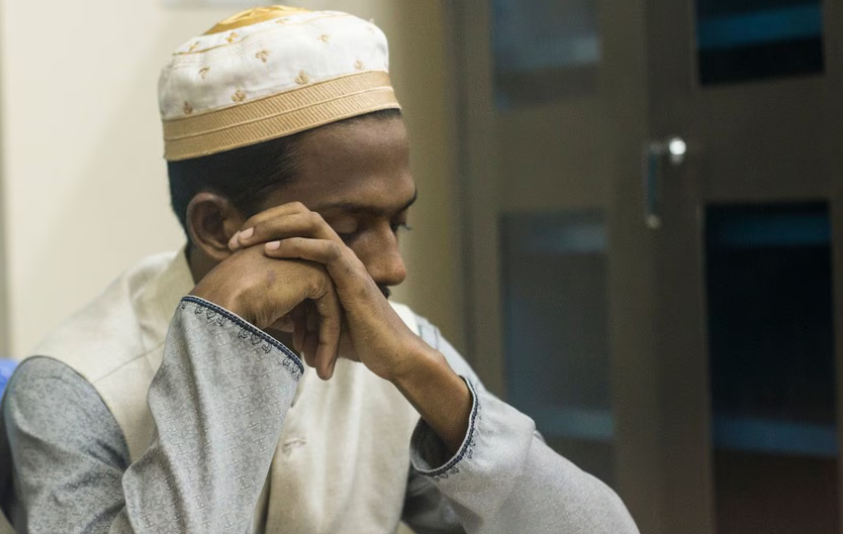
The government, however, has drawn a line between regulation and blanket closure. Madrasas functioning legally with the necessary approvals, it has said, have no reason to fear closure. The scrutiny is directed primarily at institutions operating without proper authorisation or failing to meet prescribed standards.
Minority Affairs and Madrasa Education Minister Kshudiram Tudu has framed the exercise more in educational rather than merely administrative terms, saying the government wants madrasa students to gain access to modern, mainstream education and wider opportunities.
The timing gives the exercise an additionally crucial dimension.
In a major development in July last, the Supreme Court dismissed petitions involving more than 350 teachers and non-teaching staff of West Bengal madrasas who had sought regularisation and salary-related benefits under the state’s grant-in-aid system.
The Court examined 13 representative cases and found no grounds for relief. Now, the government’s administrative scrutiny is moving from individual institutions to the madrasa system as a whole.
A further survey is also being contemplated. Information collected earlier could be re-verified, while institutions across 12 districts are expected to come under closer inspection. Approval, student strength, infrastructure and management could therefore remain under periodic review rather than being settled through a single exercise.
The message emerging from Nabanna, the state secretariat, is consequently broader than the closure of 252 institutions: madrasa education is entering a phase in which recognition, accountability, viability and integration with mainstream education are likely to matter more than ever.
For hundreds of institutions, the coming months could determine not merely whether they continue to operate, but what kind of educational system they are keen to adopt - progressive or retrograde.
About the Author
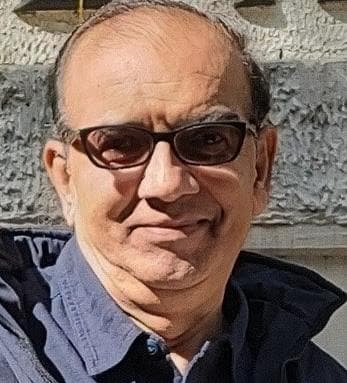
Prasanta Paul served Deccan Herald as the Chief of Bureau, Calcutta for nearly two decades before switching to work with various TV channels such as Al-Jazeera, CNN, German TV and CBS. He also headed the Eastern Bureau of Parliamentarian magazine. Mr. Paul who accompanied former Prime Minister Atal Behari Vajpayee on his overseas tour of Singapore and other Asian countries, travelled extensively to Bhutan, Sikkim and Darjeeling besides other Northeastern states. He briefly headed the Mizoram Bureau of the United News of India (UNI).
Discussion
Reader Comments
No comments yet. Be the first to share your perspective.