BreakingNational
Prayer Curbs at Kolkata Airport Put Security and Faith at Crossroads
Kolkata Airport Prayer Ban Sparks Political Row
17 Jul 2026, 03:54 pm IST·4 min read
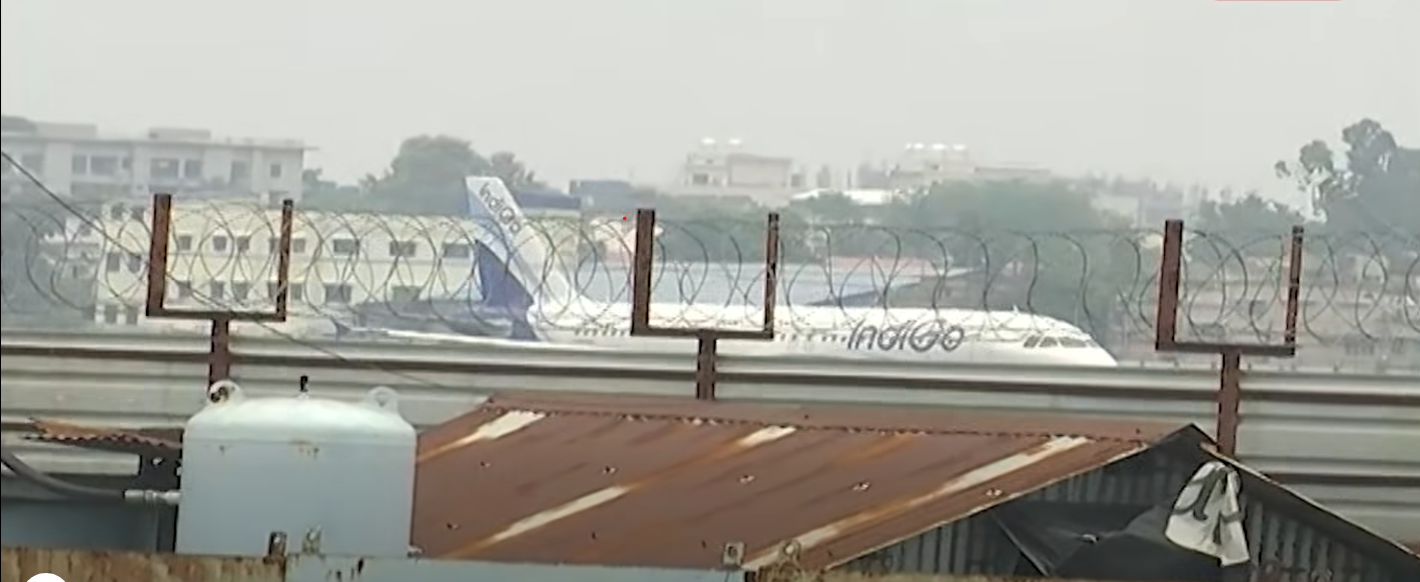
A fresh political controversy is being deliberately stoked up in West Bengal after the temporary suspension of congregational prayers at the mosque located inside the security-sensitive premises of Netaji Subhas Chandra Bose International Airport in Kolkata.
Public entry and the offering of namaz at the airport mosque have been suspended until Monday. The move has drawn strong objections from sections of the Muslim community, while the BJP and the state government have defended the restrictions, citing national security concerns at one of India's busiest international airports.
Chief Minister Suvendu Adhikari defended the temporary suspension of prayers at the airport mosque, stressing that Netaji Subhas Chandra Bose International Airport is a strategically vital international gateway where security considerations must take precedence.
"We have not prevented anyone from practising their religion. However, the airport is an extremely sensitive installation from the standpoint of national security. Everyone is free to practise their faith in accordance with the law, but there can be no compromise where the nation's security is concerned," the Chief Minister had said.
But tension has considerably been brewing since the call of former West Bengal minister and state president of Jamiat Ulema-e-Hind, Siddiqullah Chowdhury who has exhorted the minority community for the assembly followed by ‘a peaceful protest’ on Friday (17.07.20026) against the decision.
Addressing a press conference a day earlier, Chowdhury said local residents would gather outside Gate No. 7 of the airport at around 11.30 a.m. before attempting to offer Friday prayers at the mosque inside the airport premises. He also appealed to Muslims across the state to wear black badges during Jumma prayers as a symbolic expression of protest.
Emphasising that the programme should remain peaceful, Chowdhury said, "People from the locality will go to offer prayers. I appeal to one crore Muslims in Bengal to wear black badges during Friday prayers, pray to Allah and return peacefully. There will be no demonstration, no sloganeering and no use of loudspeakers."
Political Reactions
The announcement immediately triggered sharp political reactions. State minister Agnimitra Paul also criticised Chowdhury, alleging that he was once again attempting to inflame public sentiment after failing to fulfil earlier promises made to the Muslim community.
"Some people use religion for political purposes. The public should not fall into such provocations," she said.
Dum Dum North BJP MLA Saurabh Sikdar opposed the proposed the namaz programme, arguing that no religious mobilisation should be allowed to compromise security around a strategically important airport.
"There will be no place for Jamaati or Sharia-based dictates in Bengal. I appeal to our peace-loving Muslim brothers not to be provoked into taking the law into their own hands. National security must remain the highest priority," he said.
While every citizen enjoys the constitutional right to practise religion, security considerations at an international airport cannot be compromised, Sikdar added.
The administration has intensified strict security arrangements ahead of Friday's proposed programme to ensure that law and order is maintained and that no untoward incident takes place. Some of those who offered prayers for Jumma at the mosque, sported black badges as urged by the former minister. But no untoward incident has so far been reported.
Significance of the Restrictions
The dispute underscores the increasingly delicate balance between protecting religious freedoms and enforcing stringent security protocols at critical national infrastructure. Unlike neighbourhood places of worship, religious facilities located within airport premises fall under highly regulated aviation security frameworks, making unrestricted public access a sensitive issue.
Beyond the immediate controversy, the government has enough reason to tighten security around this crucial airport as Thursday’s Enforcement Directorate raids across 13 locations spread over five states including West Bengal lifted the veil of a terror-funding and illegal infiltration network.
The raids were part of a money-laundering probe into a syndicate that allegedly used FCRA-registered charitable trusts (that allegedly received funds from the United Kingdom-based entities) to facilitate the illegal entry of Bangladeshi and Rohingya nationals in the minority-dominated North/South 24 Parganas and Murshidabad districts among others.
During the raid, ED officials recovered approximately ₹40 lakh in cash, 180 grams of gold coins, and several incriminating digital devices and documents in Bengal alone and search operations have still been going on.
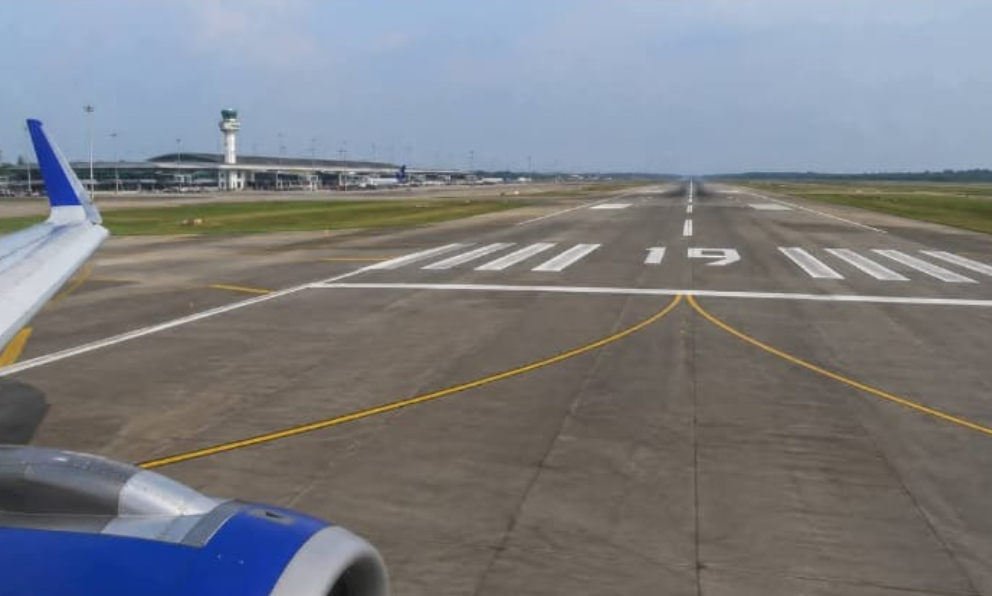
Hence, it is only natural for the government and security agencies to mount a special security cordon around the airport as the disputed mosque is within 130 metres of the runway.
Even though the episode is likely to emerge as another political flashpoint in West Bengal where debates over minority rights, religious freedoms and national security continue to shape the state's evolving political discourse, responsible leaders in the minority community are expected to fall in line with the state-imposed restrictions in view of the security parameters attached thereof.
The administration's handling of the issue could therefore carry implications well beyond airport security, influencing the wider conversation on governance, public order and communal harmony.
About the Author
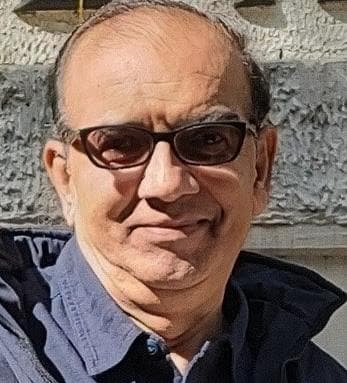
Prasanta Paul served Deccan Herald as the Chief of Bureau, Calcutta for nearly two decades before switching to work with various TV channels such as Al-Jazeera, CNN, German TV and CBS. He also headed the Eastern Bureau of Parliamentarian magazine. Mr. Paul who accompanied former Prime Minister Atal Behari Vajpayee on his overseas tour of Singapore and other Asian countries, travelled extensively to Bhutan, Sikkim and Darjeeling besides other Northeastern states. He briefly headed the Mizoram Bureau of the United News of India (UNI).
Discussion
Reader Comments
No comments yet. Be the first to share your perspective.