BreakingInternational
Sino-Indian Face-offs in Arunachal: ITBP Chief’s claim triggers furore
India accelerates Drone Warfare preparedness in NE border
24 Oct 2026, 10:01 am IST·3 min read
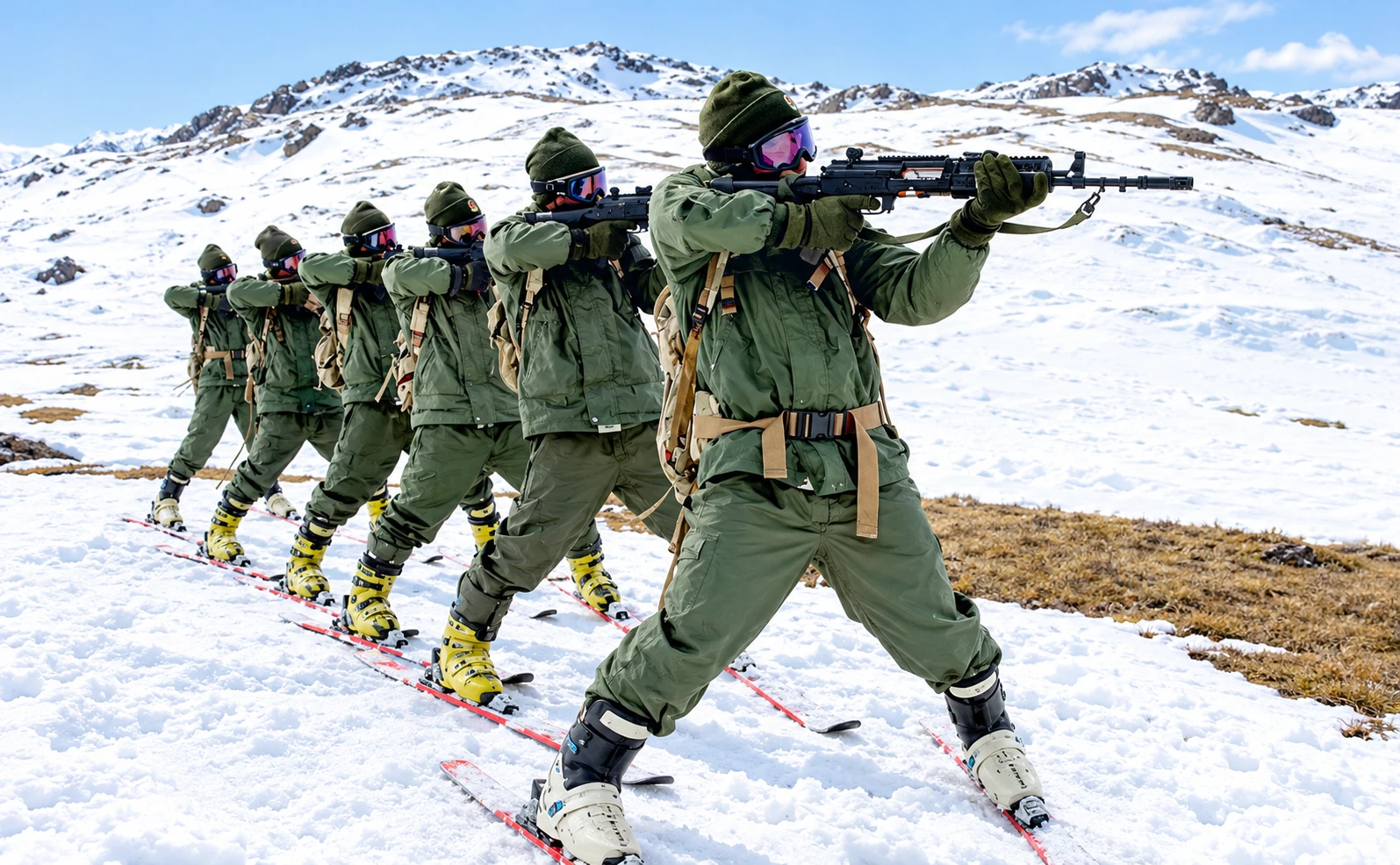
The latest claim of unabated face-offs between Indian and Chinese troops at several locations along the Arunachal Pradesh frontier, by the Indo-Tibetan Border Police (ITBP) Director General Shatrujit Singh Kapoor has triggered a furore in the defence as well as informed circles.
His disclosure, coupled with details of a major modernisation drive along the Line of Actual Control (LAC), has renewed questions over the ground situation on the Indo-China border and the state of Sino-India relations.
Addressing personnel at the ITBP’s 65th Raising Day celebrations in Alwar, Rajasthan, Kapoor described China as India’s most challenging border adversary and a powerful neighbour that has invested heavily in modernising its military.
Traditional methods, he cautioned, would not suffice to meet the evolving challenge. “The newly-constituted battalion of Shaurya Commandoes has performed a superb role in stemming the situation (read Face-off)”, he observed.
The message is unmistakable: India is preparing for a border environment in which technological superiority, rapid response and specialised combat capabilities could prove as decisive as conventional military strength.
The diplomatic contradiction
The disclosures have acquired political significance because they come amid efforts by New Delhi and Beijing to stabilise bilateral relations. Prime Minister Narendra Modi visited China last year, and Chinese President Xi Jinping has also recently visited India.
Yet, diplomatic engagement has not necessarily translated into the complete resolution of localised military tensions.
Congress president Mallikarjun Kharge has demanded an explanation from the Prime Minister, arguing that the government must present the actual border situation to Parliament and the public rather than attack the Opposition.
The controversy revives memories of the June 2020 Galwan clash, in which soldiers from both countries were killed and bilateral relations deteriorated sharply.
However, an important distinction is necessary: a military face-off does not automatically establish that a fresh armed clash has occurred, nor does it, by itself, establish a breakdown of diplomatic engagement.
The locations, duration and precise nature of the reported confrontations require further official clarification.
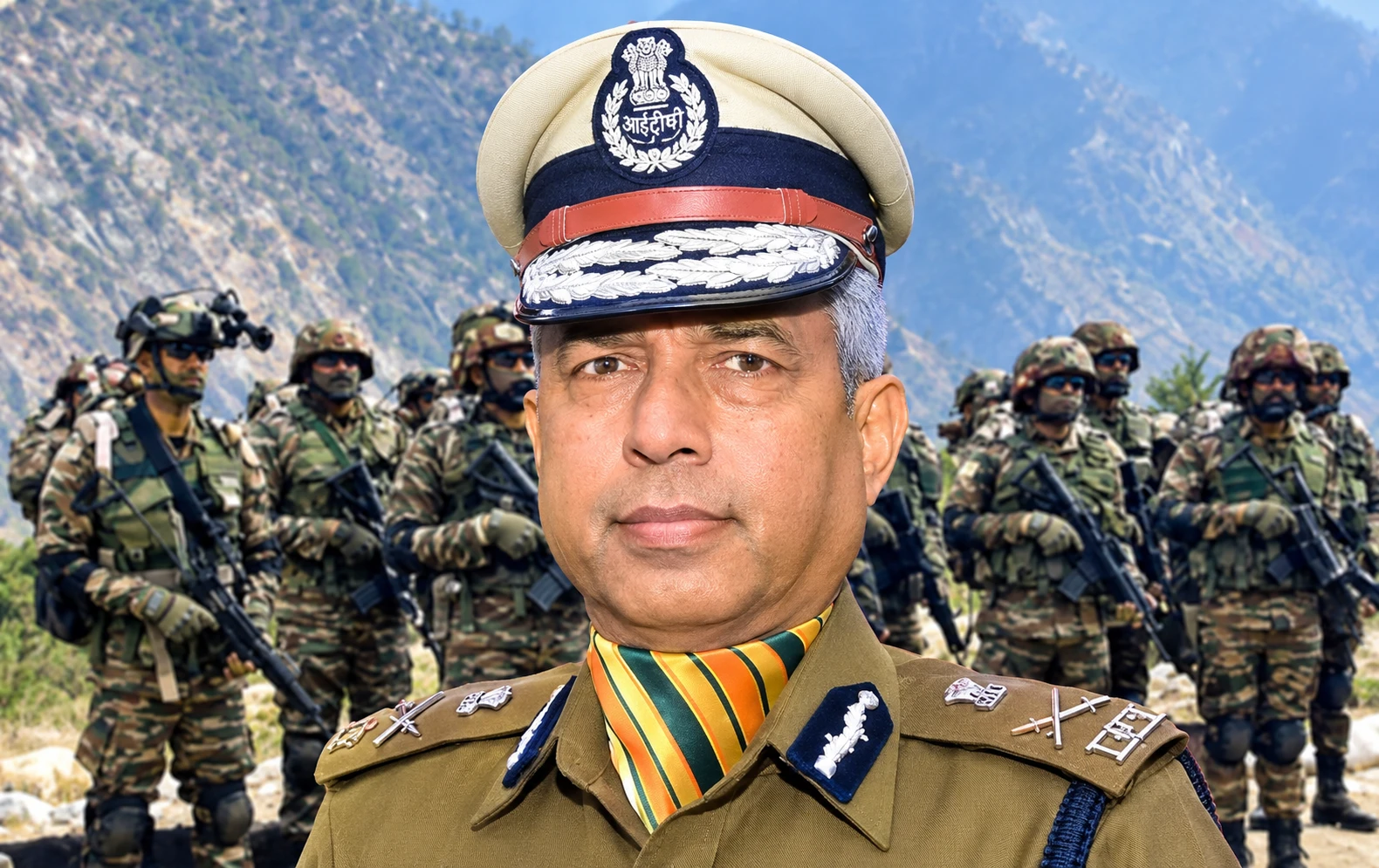
ITBP Chief Shatrujit Singh Kapoor
Drones and specialised combat units
The ITBP, established in 1962 following the India-China war, guards the 3,488-km LAC. Kapoor disclosed that the force had received ₹400 crore for modernisation, with approximately 70 per cent earmarked for strengthening its drone capabilities. Additional funding is already in the pipeline.
Under the proposed arrangements, every battalion deployed along the border will have a dedicated drone platoon. Personnel are being trained as drone pilots, while drone capabilities are being developed alongside counter-drone technologies.
The emphasis reflects lessons from contemporary conflicts, including the Russia-Ukraine war and the wider use of unmanned systems in the Middle East. Drones have transformed surveillance, target acquisition and battlefield coordination, while inexpensive unmanned platforms can impose disproportionate costs on technologically superior adversaries.
For India, their utility along the mountainous LAC extends beyond combat. Persistent surveillance can improve situational awareness across difficult terrain, help detect unusual troop movements and reduce the risks associated with limited visibility and delayed intelligence.
The ITBP is also introducing a new training programme, STRIKE, designed to improve personnel's ability to respond to situations resembling the deadly 2020 Galwan Valley confrontation. The entire upgradation is expected to be completed by 2027.
Additionally, specialised combat teams called Shaurya Commandos have been formed. Kapoor has already complimented these personnel for demonstrating their capabilities during confrontations with Chinese troops at several locations along the Arunachal frontier.
The force is simultaneously accelerating bunker construction and upgrading border infrastructure.
A harder frontier, despite diplomatic engagement
The larger strategic implication is that India is preparing for a prolonged contest along the LAC in which deterrence will depend increasingly on technology, infrastructure and the ability to respond swiftly to localised confrontations.
Diplomatic dialogue remains indispensable. But its credibility ultimately depends on conditions on the ground.
India's challenge is therefore twofold: to maintain channels of engagement with Beijing while ensuring that its border forces possess the surveillance, mobility, training and combat readiness necessary to prevent a local confrontation from escalating into a wider crisis.