BreakingInternational
Has the ‘Doval Doctrine’ Become Pakistan’s Bête Noire?
Ajit Doval-- a strategic nightmare for Pak’s security establishment?
26 Oct 2026, 08:48 am IST·3 min read
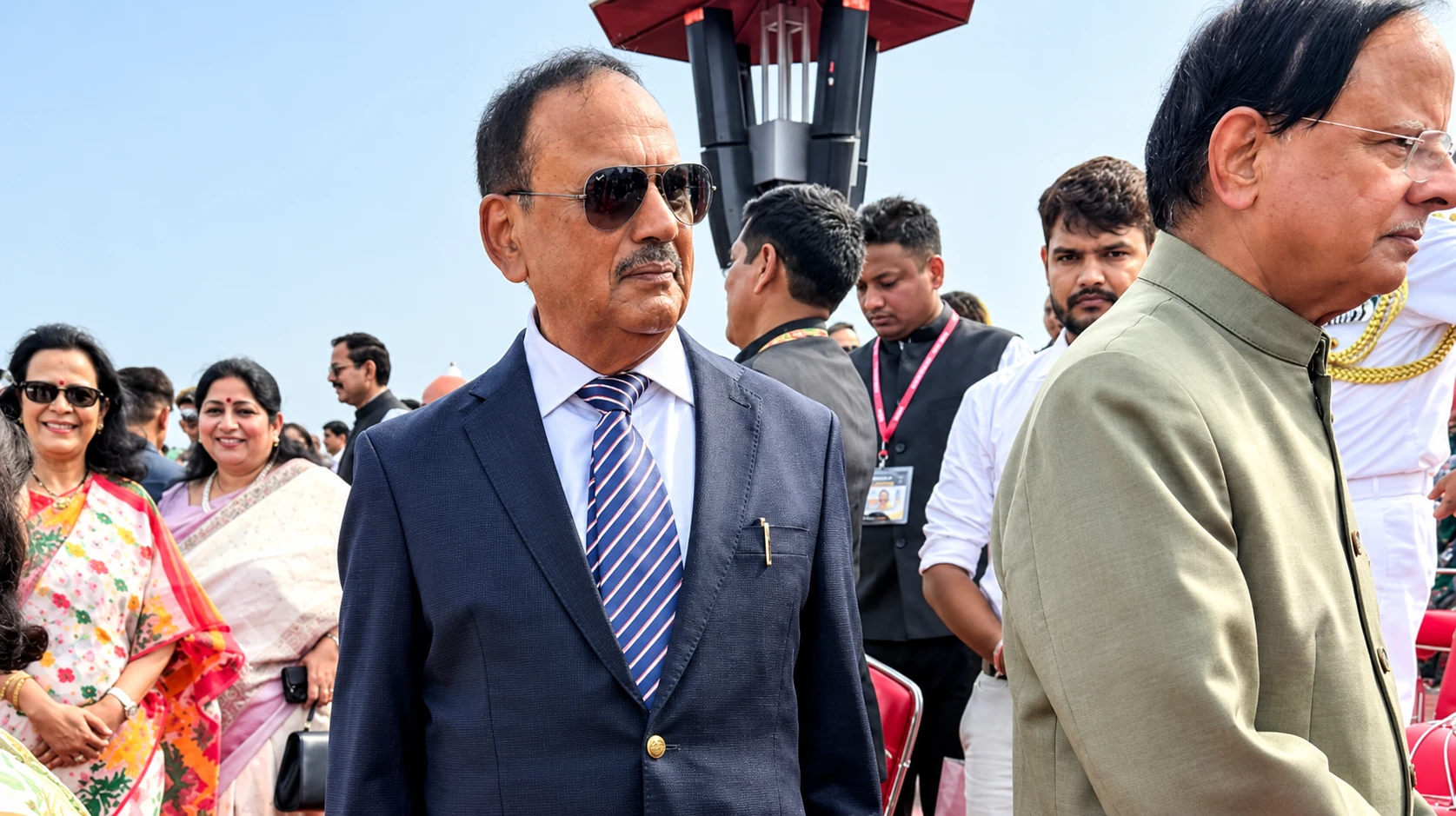
Has India’s National Security Adviser Ajit Doval become a strategic nightmare for Pakistan’s security establishment?
Or is Islamabad’s growing preoccupation with what it calls the ‘Doval Doctrine’ a reflection of deeper anxieties about India’s evolving security posture?
The questions have acquired fresh significance after retired Lieutenant General Mazhar Jamil, adviser to Pakistan’s National Command Authority (NCA) and former head of its Strategic Planning Division, criticised Indian military’s attitude at a workshop on nuclear deterrence and strategic stability at London’s International Institute for Strategic Studies (IISS) last week.
Indian military approach, Jamil cautioned, was being shaped by a “dangerous ideology” that conflated mythology with national power, arguing that the resulting doctrines threatened nuclear stability in South Asia and beyond.
His remarks, reported by Pakistani media, represent a pointed challenge to New Delhi’s strategic approach.
But what exactly is the Doval Doctrine?
There is no formally promulgated Indian government document bearing that title. The expression is an informal label used to describe a perceived shift towards a more assertive national-security policy during Doval’s tenure: stronger intelligence capabilities, proactive counterterrorism, greater willingness to impose costs on hostile actors and an emphasis on deterrence rather than perpetual strategic restraint.
Ajit Doval’s Illustrious Career
Doval’s own career helps explain why his name carries particular resonance in Pakistan.
A former Intelligence Bureau (IB) chief and a 1968-batch IPS officer, he was believed to have spent seven years operating as an undercover agent in Pakistan.
His intelligence background and subsequent role in national security have helped shape his public image as a practitioner of hard-headed strategic calculation.
The popular fascination with intelligence operations has also entered reel life, notably through Aditya Dhar’s film Dhurandhar.
However, cinematic portrayals should not be mistaken for documentary evidence of particular intelligence operations or official doctrine.
The nuclear dimension
Jamil’s position makes his intervention especially consequential. As an adviser to the NCA, he operates close to the heart of Pakistan’s nuclear-security establishment. His criticism therefore merits attention beyond routine political rhetoric.
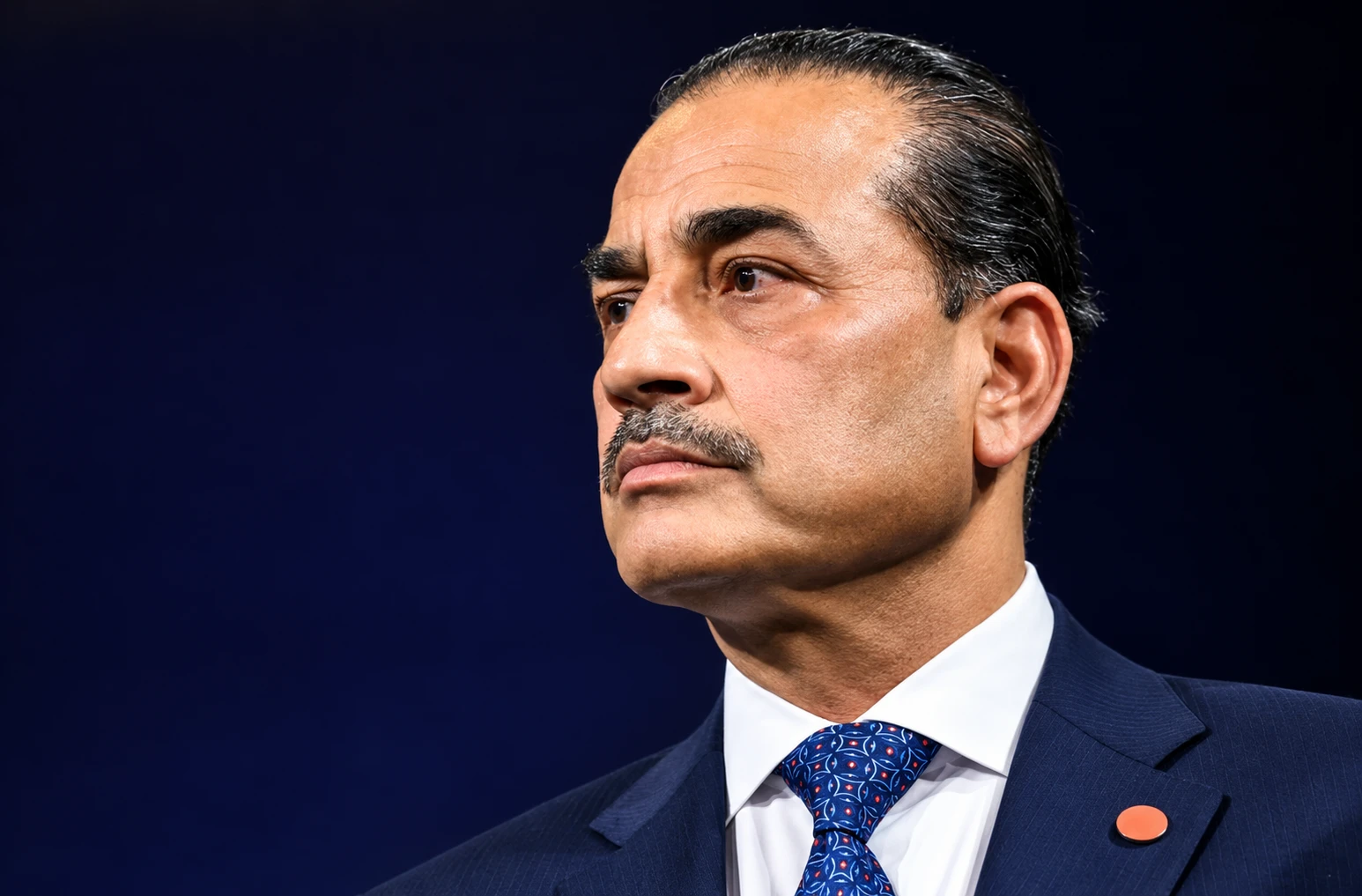
Pak Army Chief Asim Munir
Pakistan’s nuclear command arrangements have also evolved amid the growing concentration of power around army chief Field Marshal Asim Munir.
The creation of a National Strategic Command (NSC) has fuelled debate over the military’s institutional influence with regard to a single individual holding a remote control.
For a nuclear-armed region, the distinction matters: strategic signalling intended to deter an adversary can also deepen mutual suspicion and narrow the room for diplomatic manoeuvre.
A country looking inward and outward
Meanwhile, Pakistan faces uncomfortable questions about confidence within its own governing establishment. Defence Minister Khawaja Asif alleged on October 18 that significant numbers of serving government officials had prepared to settle abroad, identifying Portugal alongside Canada, the United States, Britain and other European destinations.
Former Indian intelligence official and Pakistan expert Tilak Devasher drew attention to the implications, questioning whether officials preparing overseas relocation while remaining in government service reflected deeper doubts about their country’s future.
These remain allegations, not independently established evidence of a mass bureaucratic exodus. Nevertheless, the controversy raises questions about governance, institutional confidence and accountability.
The juxtaposition is striking.
While Pakistan’s security establishment warns that India’s strategic thinking threatens regional stability, its political leadership is confronting questions about the commitment of sections of its own bureaucracy.
Does this mean Jamil has lost sleep over the Doval Doctrine? That would be speculation. What is evident, however, is that India’s perceived strategic assertiveness has become a subject of serious concern in Pakistan’s security discourse.
The larger lesson is that deterrence is not measured merely by the weapons a country possesses, but also by the credibility of its institutions, the resilience of its economy and the confidence of its governing establishment.
For New Delhi, the challenge is to sustain credible deterrence without allowing strategic confidence to become complacency.
For Islamabad, blaming an Indian security doctrine cannot substitute for addressing its own institutional vulnerabilities.
Ultimately, the most revealing question may not be whether the Doval Doctrine haunts Pakistan, but why it has become such a prominent lens through which Pakistan’s own security establishment interprets its predicament.