BreakingNational
‘Khul Ja Sim Sim’: Bengal FM Uncorks Pandora’s Box in Maiden Budget
The BJP's first full length budget in West Bengal makes the right noises.
22 Jun 2026, 09:10 pm IST·4 min read
The BJP's first full length budget in West Bengal makes the right noises.
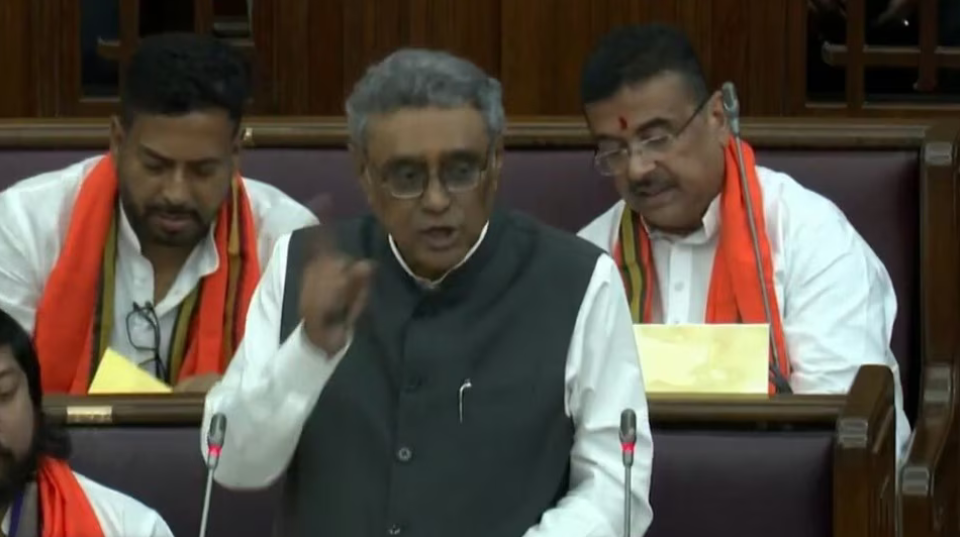
Finance Minister Swapan Dasgupta's first full-year budget for Bengal is nothing short of audacious. Semiconductors, electric vehicles, startup ecosystems, industrial clusters — the vocabulary alone signals a sharp departure from the statist, welfare-heavy, vote seeking fiscal tradition that Bengal has grown accustomed to over several decades.
The Vision Is Right. The Timing Is Perfect.
There is little to quarrel with in the broad strokes.
West Bengal should be a semiconductor hub. Its geography, its educated workforce, and its proximity to both South and Southeast Asian markets make a compelling case.
North Bengal should have an industrial identity beyond tea gardens and tourism. And Bengal's startup culture — long suppressed by an ecosystem that historically favoured political patronage over private enterprise — deserves a serious institutional push.
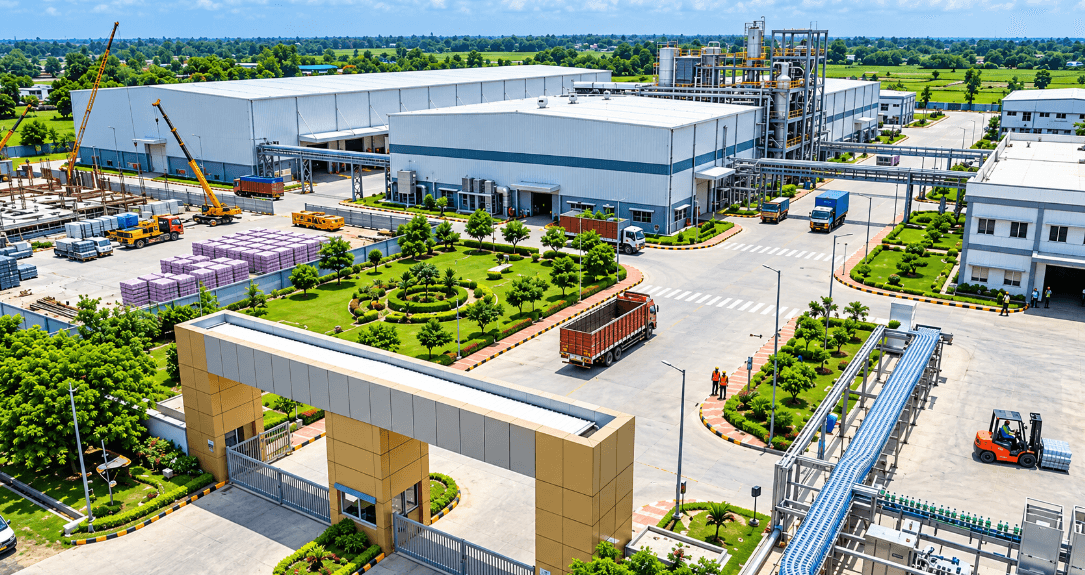
The ₹100 crore startup fund, the EV manufacturing belt, the PM Gati Shakti-linked industrial clusters, the ₹5,000 crore MSME semiconductor allocation, the ₹ 900 crore 7.81 km elevated corridor for a seamless link between New Town and central Kolkata -- each of these, individually, is a defensible policy choice.
Together, they amount to an industrial manifesto. Dasgupta has successfully tapped into an untapped treasure – Rs 40,000 crore earmarked, but remained locked during the previous Trinamool Congress government’s tenure, under various central government-funded programmes.
The question is not whether the destination is worth reaching. It is whether Bengal has witnessed this right intent in the last 50 years or so.
For millions of aspiring youths, Bengal's Industrial Graveyard Is a Warning, not a Backdrop.
Any honest assessment of this budget must reckon with history. West Bengal was once India's industrial powerhouse — home to the Hooghly industrial belt, a thriving jute economy, and some of the subcontinent's most productive manufacturing capacity.
What followed over five decades of the Left rule, and then continued under successive administrations, was a slow, painful deindustrialisation that no single budget has yet reversed.
The Semiconductor Bet: Visionary but Challenging
The decision to position North Bengal as a semiconductor manufacturing destination deserves particular mention — not because it is late in the day, but because it is extraordinarily challenging.
India's national semiconductor mission is itself still finding its feet. States like Gujarat and Assam, with far more established industrial infrastructure and investor pipelines, are competing aggressively for the same investments.
What does West Bengal bring to this contest? Land, potentially. Labour, certainly. But also, a legacy of investor hesitancy, a bureaucratic culture not historically known for ease of doing business, and a law-and-order environment that has, at various points, given pause to large capital allocators.
To win the semiconductor race, the government will need far more than a budgetary line item. It will require aggressive ground-level reform, a single-window clearance mechanism that actually functions, and the political will to protect investors from the Syndicate Raj that has historically plagued Bengal's industrial landscape.
The EV Opportunity: Where Bengal Could Actually Win
Of all the announcements, the electric vehicle manufacturing push may be the most immediately credible. The EV sector is at an inflection point nationally, supply chains are still being established, and first-mover advantages remain available to states willing to act decisively.
North Bengal and the western districts offer land at competitive costs, and the workforce — with the right skilling investment — could be retrained relatively quickly.
This is an arena where a focused, time-bound industrial policy could yield visible results within a single electoral cycle. If the government is serious about one thing, it should be this.
The jute sector, which this budget promises to revive — again — has been the subject of revival packages for the better part of three or four decades. The carpet clusters of Gangarampur and Kushmandi are genuine cultural and economic assets, but they have waited long for the kind of institutional support that other state governments routinely extend to their craft industries.
And Dasgupta has triggered a mountain chain of hopes.
Well, for the betes noires of the BJP, there must be some fuel. Isn’t it?
The Poll Verdict has been quite promising; but the proof of the pudding is in the eating, majority of them would argue. They will also add that a budget that promises transformation without addressing the structural barriers to transformation risks becoming an elaborate exercise in aspirational arithmetic.
Plus, announcing the intent is easy. Delivering structural change in industries that have been neglected for generations is an entirely different order of challenge. In a state with Bengal's complex political economy and institutional history, vision without execution is just poetry.
Leave all this aside.
The BJP government deserves credit for thinking big and breaking from the incrementalism that has defined Bengal's fiscal tradition. West Bengal genuinely needs the industrial future this budget describes.
About the Author
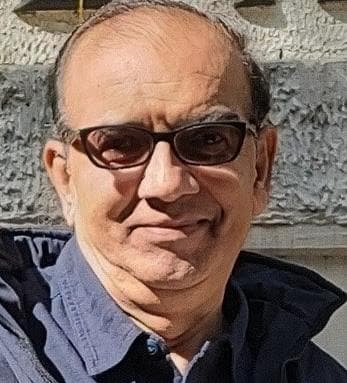
Prasanta Paul served Deccan Herald as the Chief of Bureau, Calcutta for nearly two decades before switching to work with various TV channels such as Al-Jazeera, CNN, German TV and CBS. He also headed the Eastern Bureau of Parliamentarian magazine. Mr. Paul who accompanied former Prime Minister Atal Behari Vajpayee on his overseas tour of Singapore and other Asian countries, travelled extensively to Bhutan, Sikkim and Darjeeling besides other Northeastern states. He briefly headed the Mizoram Bureau of the United News of India (UNI).
Discussion
Reader Comments
No comments yet. Be the first to share your perspective.