BreakingEntertainment
Qawwali in ‘Ramayana: Part 1’ Sparks a Storm
A mountain of debate over the song’s rhythmic patterns & melodic treatment
28 Oct 2026, 10:59 am IST·3 min read
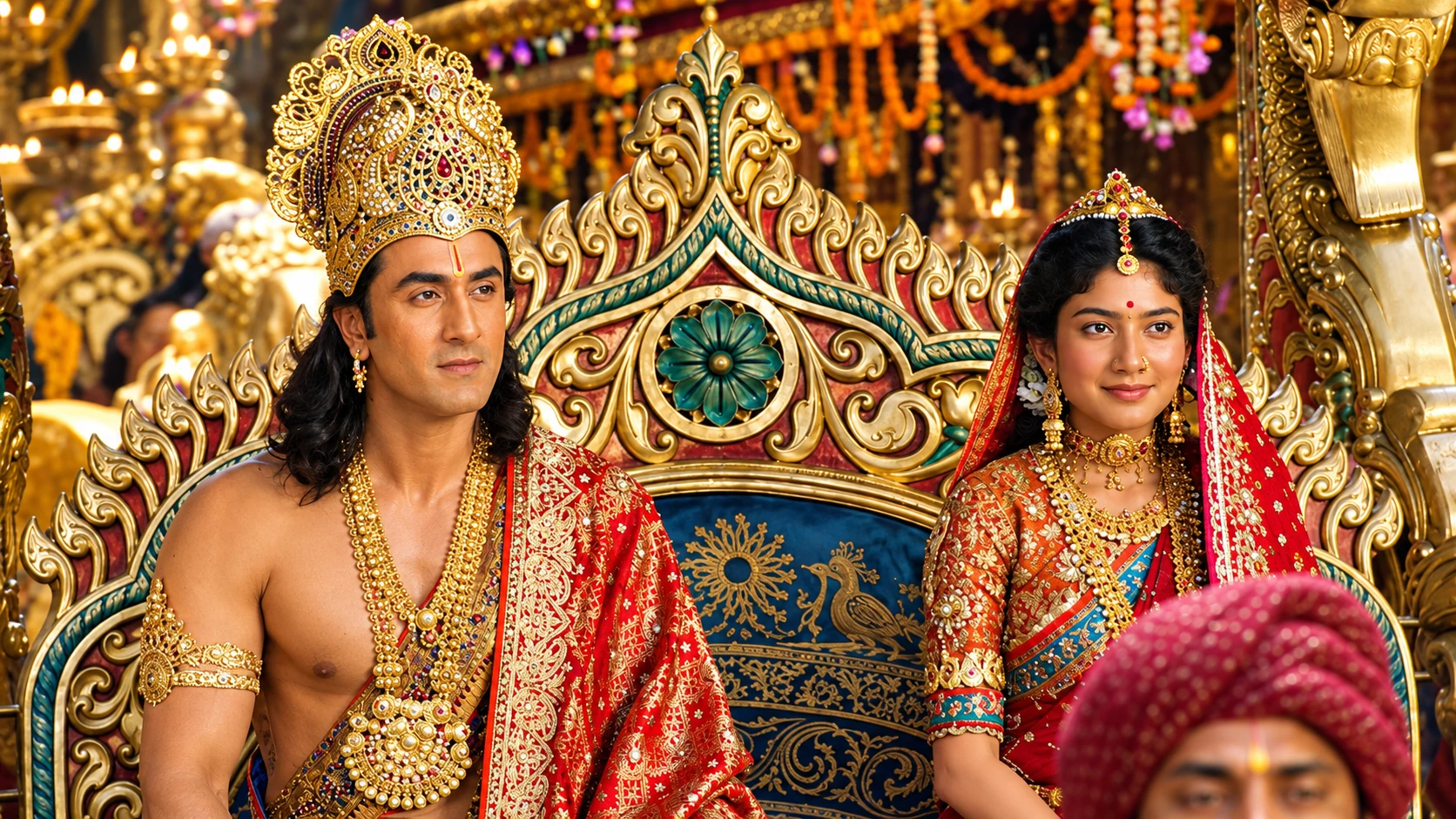
A song celebrating the love, marriage and shared journey of Lord Rama and Sita has unexpectedly triggered a contentious debate over musical authenticity, cultural sensibilities and artistic freedom.
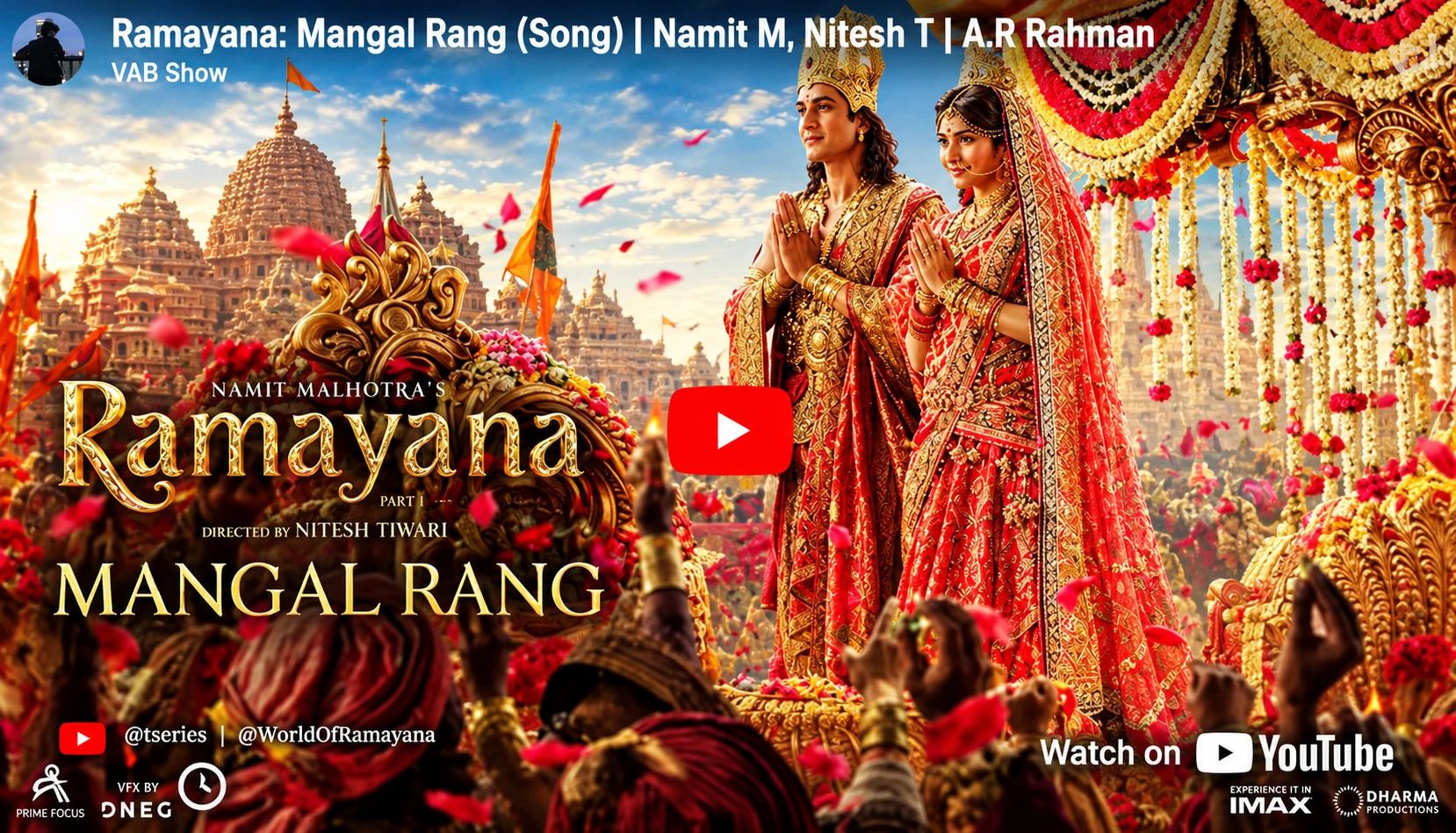
‘Mangal Rang’, released on Sunday, October 25, has triggered a storm on social media, with a huge section of listeners questioning the use of Qawwali- and Sufi-inspired musical elements in Ramayana: Part 1, directed by Nitesh Tiwari.
Released in Hindi, Tamil, Telugu, Kannada and Malayalam, the song, sung by Arijit Singh and Shreya Ghoshal and composed by A. R. Rahman, has garnered millions of views.
But, alongside the attention has come a wave of criticism over its musical character.
For some listeners, the track's rhythmic patterns and melodic treatment evoke Qawwali, prompting questions about their suitability for a cinematic adaptation of the Ramayana, one of India's most revered epics.
Several social media users have compared its musical flavour to Rahman's earlier compositions, particularly ‘Kun Faya Kun’, from Rockstar, and have accused the celebrated composer of revisiting familiar musical territory rather than creating something distinctive for the epic.
One critic argued that introducing Sufi-Qawwali influences into the world of Valmiki's Ramayana risked cultural confusion, alleging a lack of research and originality.
Another questioned why a sacred narrative should be presented through musical conventions associated, in the listener's perception, with a different cultural tradition.
Flak touches other scores also
The criticism has not been confined to the latest release. Some listeners have expressed disappointment with the film's songs more generally, arguing that the background score appears to be little better than the vocal compositions.
Songs incorporating classical Sanskrit touches and rhythm might have better suited to the epic's grandeur, a reviewer significantly pointed out.
Others, however, are directing their criticism at Rahman's creative choices, alleging that the composer has repeatedly reworked elements of his earlier compositions.
One social media post sarcastically thanked him for apparently recycling an older Tamil Qawwali for Ramayana.
Rahman unfazed by criticism
Rahman, meanwhile, has indicated that he remains unfazed by reactions on social media and continues to pursue his craft.
He has also claimed that some initial critics subsequently reconsidered their positions or apologised for trolling him, although no supporting evidence for that assertion has been provided in the available account.
The controversy, however, raises a question larger than the merits of a single song: should a contemporary cinematic interpretation of an ancient epic adhere closely to traditional musical idioms, or can composers draw upon diverse influences to create a new artistic vocabulary without deviating from or diluting the poignance of the epic?
There is no universally accepted answer.
Musical traditions have interacted and evolved across centuries. Equally, when a production deals with a deeply revered religious narrative, expectations of cultural and historical sensitivity are likely to be unusually high.
Whether ‘Mangal Rang’ ultimately succeeds artistically or disappoints its critics will become clear with the film's reception post its release.
For now, the makers of Ramayana: Part 1 have yet to issue an official response to the controversy.
The debate has already ensured that the song is being heard not merely as a celebration of Rama and Sita's love, but also as a test of where artistic experimentation ends and cultural expectations begin.