BreakingNational
TMC Rebels, An Obscure Party & A Constitutional Puzzle
Mamata's four-decade-old political career in a state of precarious peril?
15 Jun 2026, 04:06 pm IST·5 min read
A storm in Mamata’s cherished morning cuppa has suddenly turned her drawing room at sixes and sevens.
A veteran in politics who had once shown the thoroughly entrenched Marxists door 15 years ago almost single-handedly in Bengal, has discovered her groomed chickens roosting elsewhere under an obscure political entity of Tripura to thwart the provisions of the Anti-Defection Act.
A four-decade-old political career in a state of precarious peril?
Close on the heels of a vertical split of the party in the West Bengal assembly following an ignominious debacle in the election, a virtual revolt in the Trinamool Parliamentary unit has threatened Mamata’s TMC with a sudden, unforeseen struggle for survival.
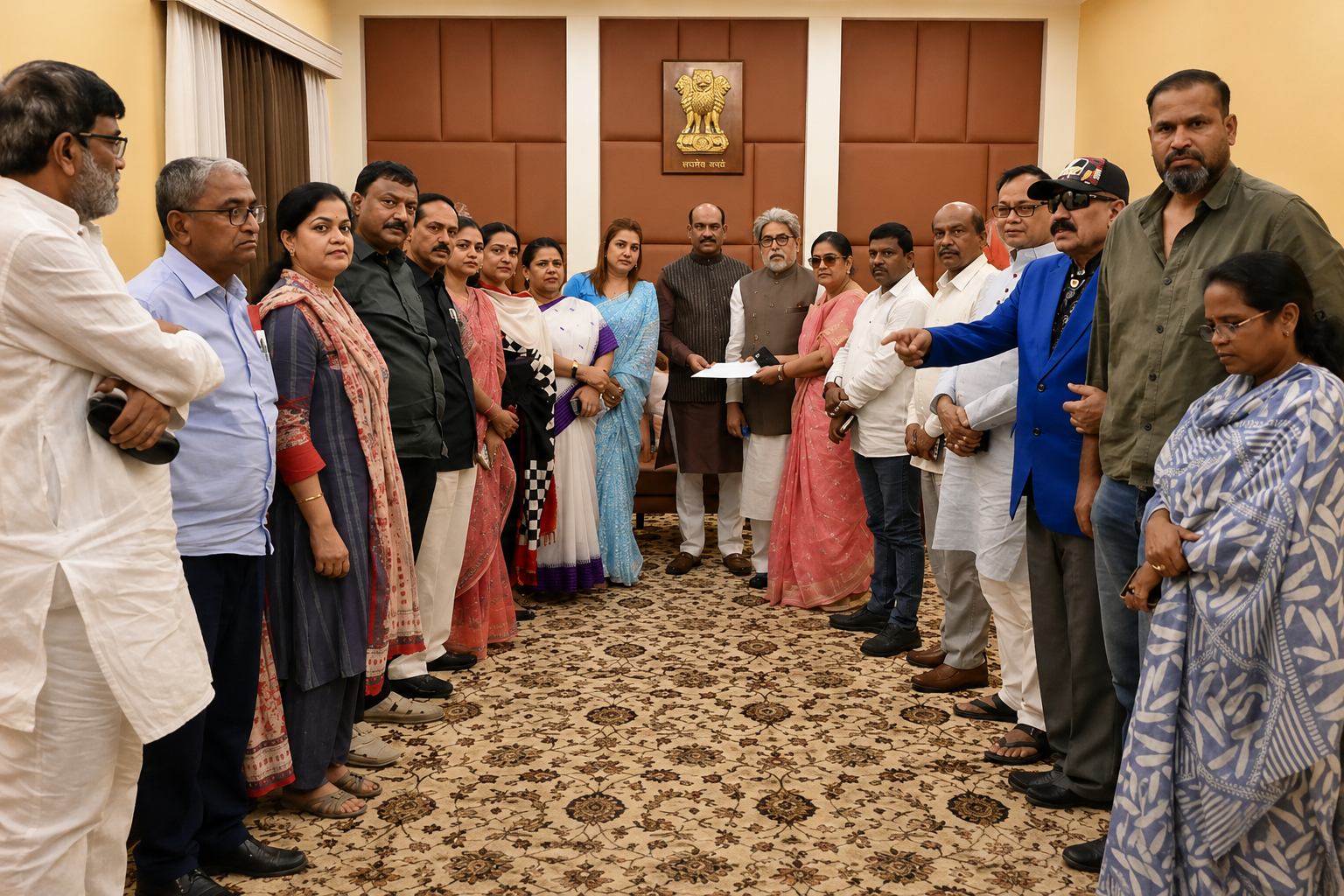
The meeting of twenty rebel Trinamool Congress MPs with Lok Sabha speaker Om Birla on Sunday to convey their decision to merge themselves with a political party of Tripura having no elected representatives anywhere in India, has triggered a deep constitutional puzzle.
Even as two of Mamata Banerjee’s chosen emissaries met the Speaker to buttress the party’s plea against not recognising the breakaway group, New Delhi is abuzz with a plethora of questions.
First: will the breakaway group led by rebel Trinamool lawmaker Kakoli Ghosh Dastidar succeed in retaining its identity having taken shelter under the Nationalist Citizens Party of India, or NCPI (a four-year-old registered party that contested last elections in 2023 and presently holds no elected seat at any level)?
Second: Will the TMC chief undertake a no-holds-barred campaign legally at the Supreme Court as well as at other levels including the floor of parliament to contest the new group’s decision to defect, meaning why the provisions of the Anti-Defection Act will not be framed against the new entity and declare the same as null and void?

The Legal Question
Grapevine in Kolkata has it that the Trinamool Supremo won’t leave any stone unturned to ensure her castle remains intact and has her lawyers engaged to contest the claim in the top court for a definite answer.
Can a group of legislators elected on a party symbol declare a merger on their own with another party or does the political party they used to represent have to provide a consent for the merger?
While the poser is understood to have been made before the Lok Sabha speaker for his serious consideration, the legal loopholes of the rebels’ move are being contentiously explored.
This contested clause was up for grabs earlier this year when seven Aam Aadmi Party MPs led by Ragav Chaddah effected a near-identical move in the Rajya Sabha without merging themselves with a new political entity.
Mamata Move
Mamata Banerjee was far from sitting idle either; she deputed her nephew and TMC Lok Sabha floor leader Abhishek Banerjee to address a letter to the Speaker, arguing that “split is no longer available under the Tenth Schedule” and that the TMC ‘remains a single, indivisible political party’.
Banerjee who cited the Supreme Court’s 2023 ruling in the Maharashtra political crisis (The ruling drew a sharp distinction between a political party and its legislative wing) argued that no group of members could enjoy the liberty of carving out a parallel faction and claim independent recognition in the House.
Now, TMC has been looking forward to the decision to be taken by the Speaker before moving the Supreme Court.

According a Bengal BJP MP and another party MLA believed to be involved in the negotiations, the TMC rebels’ decision to put themselves under the NCPI fold was aimed at preserving their vital touch and connection with West Bengal besides extending a symbolic reach to the Northeast.
If the TMC rebels finally gain a victory in their fight to break away and the merger with NCPI is approved, Mamata Banerjee is certain to receive her ‘career-best jolt’; her party’s Lok Sabha strength will have a free fall from 28 to 8.
TMC’s face in the Rajya Sabha is little better as of now despite some resignations; it is currently standing at 10, down from 13 seats.
In the event of NCPI extending support to the BJP-led NDA, the latter’s Lok Sabha count would go up from 294 to 314 — still 46 seats short of a two-thirds majority, while the alliance would be within eight seats of that threshold in the Upper House.
The Puzzle
The puzzle does not end here though.
The Speaker has been armed with the power of adjudication on the question of merger; he has been vested with the power of being the first constitutional authority on disqualification questions. The court can review the Speaker’s decision, but cannot substitute them at the first instance.
Interestingly, the Tenth Schedule does not set any time limit for the Speaker within which he or she would have to dispose of a disqualification petition or petitions, a well sought-after ambiguity that could cause intense heartburn to Mamata Banerjee and a big relief to the breakaway group.
The Indian polity would like to keenly await to see the outcome of the TMC rebellion and subsequent merger of rebels with a party having neither MPs nor MLAs in the country.
Meanwhile, NCPI founder Shantanu Dey has in a statement on Monday expressed his apprehension over the ‘loss of image and integrity’ following the rebel TMC lawmakers’ decision to merge themselves with the party.
Dey urged the rebels to be more transparent and sit across the negotiable table with the organisational hierarchy for smoothing the process of merger.
About the Author
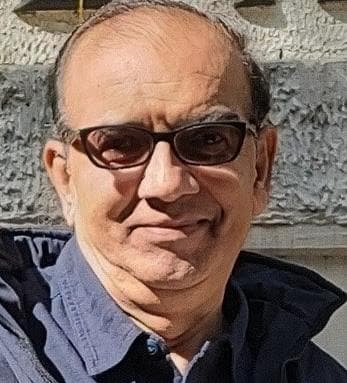
Prasanta Paul served Deccan Herald as the Chief of Bureau, Calcutta for nearly two decades before switching to work with various TV channels such as Al-Jazeera, CNN, German TV and CBS. He also headed the Eastern Bureau of Parliamentarian magazine. Mr. Paul who accompanied former Prime Minister Atal Behari Vajpayee on his overseas tour of Singapore and other Asian countries, travelled extensively to Bhutan, Sikkim and Darjeeling besides other Northeastern states. He briefly headed the Mizoram Bureau of the United News of India (UNI).
Discussion
Reader Comments
No comments yet. Be the first to share your perspective.