BreakingBusiness
Vedanta Eyes ₹80,000-Crore Investment in Bengal, Promises 40,000 Jobs
Agarwal-Adhikari crucial meeting triggers huge hope
29 Oct 2026, 11:01 am IST·3 min read
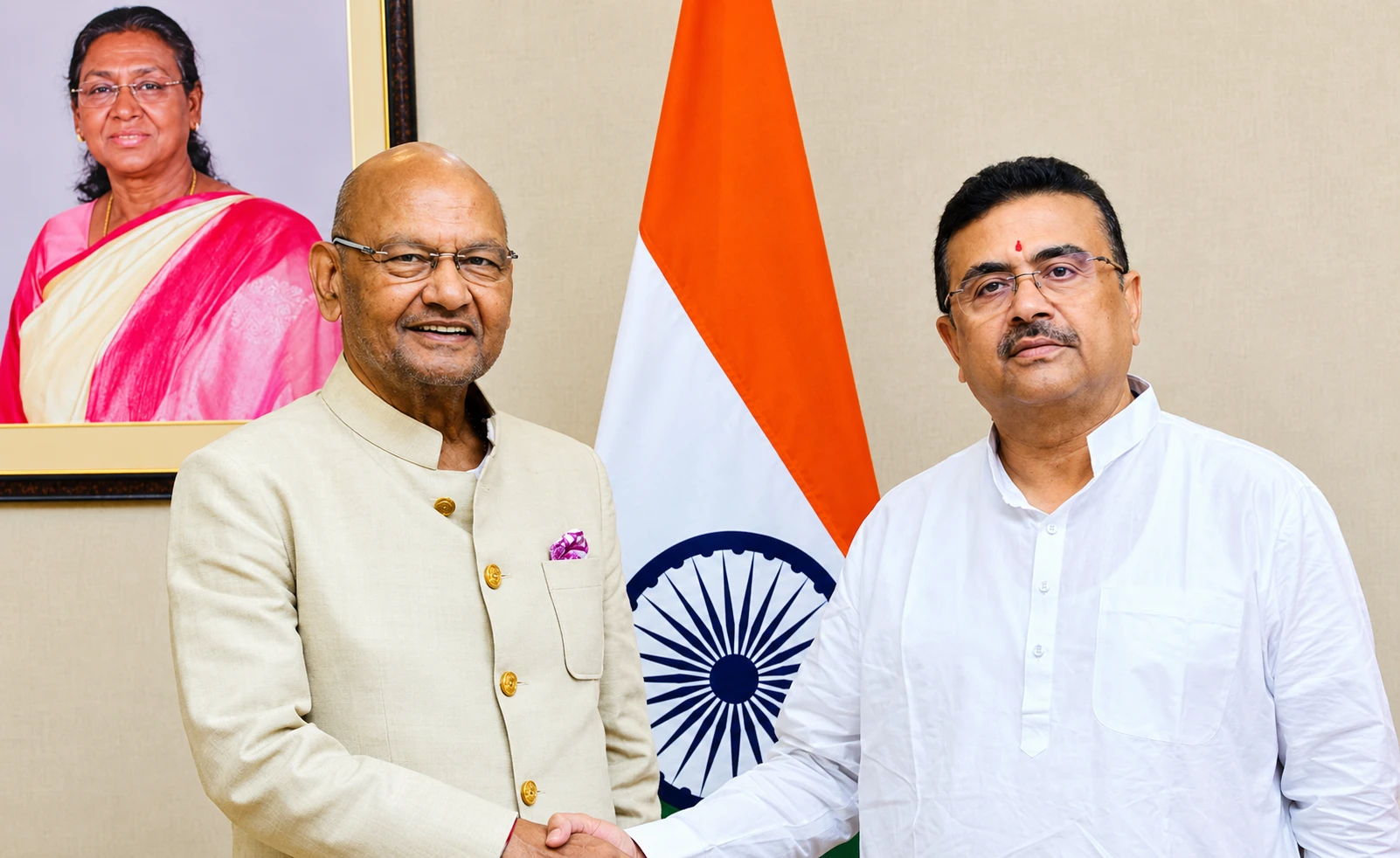
West Bengal could be on the threshold of a major industrial investment, with the $30-billion Vedanta Group planning to invest between ₹70,000 crore and ₹80,000 crore for setting up power generation utilities and aluminium smelter over the next three to four years.
The proposed investment by the Anil Agarwal-led conglomerate is expected to generate between 30,000 and 40,000 jobs, both directly and indirectly, Vedanta Group chairman Anil Agarwal disclosed here after a crucial meeting with Chief Minister Suvendu Adhikari.
If realised, it would mark Vedanta’s maiden investment in West Bengal and potentially give fresh momentum to the state’s industrial ambitions.
During the meeting, both discussed in detail about the proposed projects and explore investment opportunities.
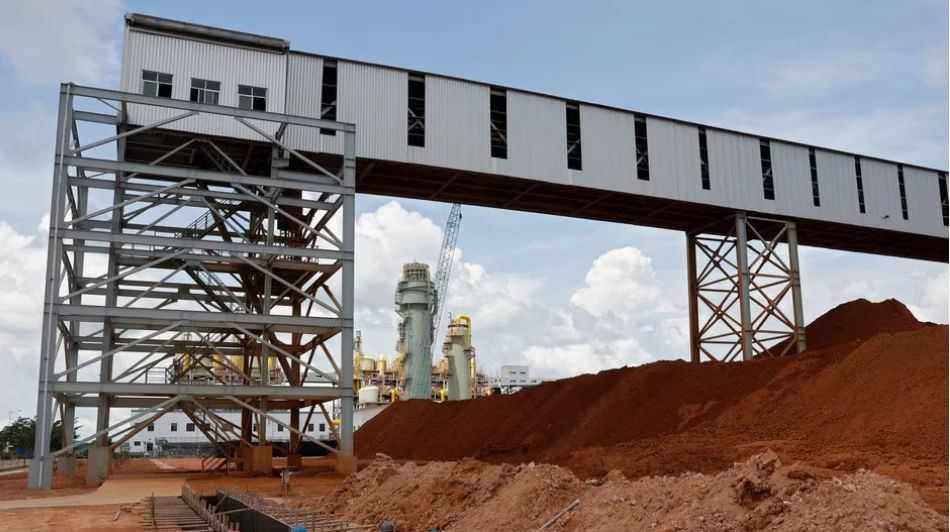
One of the locations discussed was Bidhanbagh, near Asansol, where Bharat Aluminium Company Limited (BALCO), a Vedanta subsidiary, reportedly owns around 270 acres of land.
The group has expressed interest in developing an aluminium project there, although it is also open to establishing the facility at another suitable location if land is made available.
Agarwal recalled that Bidhanbagh once housed one of Asia’s oldest aluminium factories, which was subsequently shut down.
Reviving the location through a modern industrial project could therefore carry significance beyond the investment itself, potentially restoring industrial activity to a site associated with the region’s manufacturing heritage.
The state government has assured the company that there would be no impediments regarding land, coal, water or other essential resources. Encouraged by the government’s response, Vedanta intends to undertake a preliminary survey and feasibility study before proceeding further.
Emphatic Assurance from Adhikari
"The chief minister told me that I could explore investment in any sector, and I said I would look at it. I promised him that thousands of jobs would be created," Agarwal told reporters.
The employment potential is a key attraction. Beyond jobs within the proposed facilities, an aluminium plant could stimulate a wider industrial ecosystem, creating opportunities for ancillary industries, suppliers, logistics operators and other service providers.
The projects, he said, would require proactive support from the state government, including timely access to resources and approvals.
"He (CM) is very excited, very dynamic, was very pleased, he spent a lot of time with me, and my commitment is with him," Agarwal said, describing the chief minister's interest in attracting large industrial investments to the state.
As for the logistics of sourcing alumina, a key raw material for aluminium production, Vedanta is weighing options to ferry the same from its operations in Odisha, including Jharsuguda. Existing railway connectivity could help transport the material to the proposed facility in West Bengal, Agarwal said.
For West Bengal, the proposal comes with the promise of substantial capital inflows, industrial diversification and renewed economic activity.
However, the scale of the opportunity will ultimately depend on the findings of the survey, project feasibility, infrastructure availability and the conversion of investment intentions into concrete commitments.
If the Bengal proposals translate into investment on the ground, they could represent a significant step towards both the state’s industrial revival and Vedanta’s larger expansion strategy.