BreakingInternational
Between Hormuz and Washington: India’s Energy Tightrope
India’s dilemma after Trump signs the Russian bill
19 Sep 2026, 09:36 am IST·3 min read
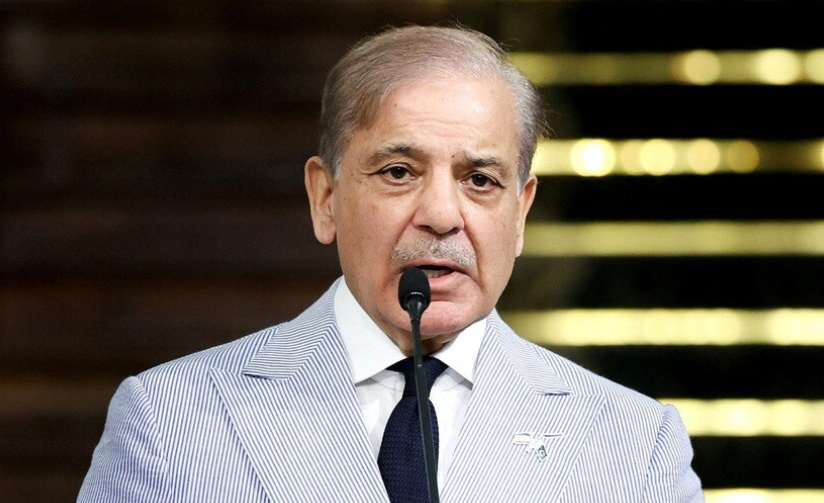
Pakistan has begun rationing not merely fuel, but the rhythm of everyday life.
Markets must shut by 9 pm, marriage halls by 10 pm and restaurants by 11 pm. Weddings have been restricted to a single dish.
Government vehicles will receive 50 per cent less fuel for three months, new official vehicles cannot be purchased, foreign travel by government officials has been suspended for three months and non-essential government expenditure is being cut, leading media reports in Islamabad confirm.
Behind these extraordinary restrictions lies an increasingly familiar vulnerability: energy dependence in an age of geopolitical disruption.
Pakistan is among the Asian countries hardest hit by the disruption of LNG supplies following the closure of the Strait of Hormuz.
According to a Gastech report released this week, Qatar and the UAE together account for about 99 per cent of Pakistan’s LNG supplies, while LNG itself contributes roughly 30 per cent of the country’s total gas supply, much of it feeding power generation, fertiliser production and industry.
The crisis has thus travelled from the sea lanes into kitchens, factories, wedding halls and government offices.
India: A Little Better, But ….
For India, the picture has so far been considerably less alarming. New Delhi did briefly impose restrictions on petrol and diesel sales in June amid disruption to global energy supplies caused by the West Asia conflict, but withdrew them from July 1 after supply conditions improved.
Yet India's energy security is now facing a different, and potentially more complicated, pressure—from Washington.
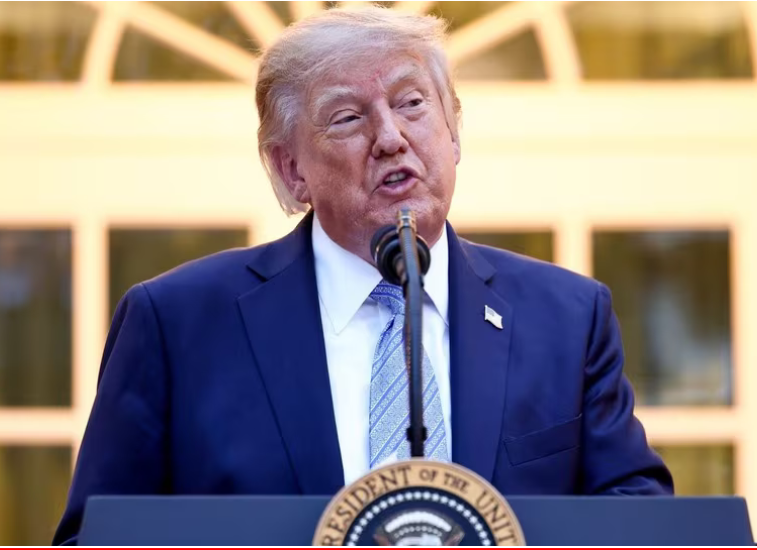
President Donald Trump has signed into law the new Russia sanctions legislation, giving him the power to impose tariffs of up to 100 per cent on imports from countries purchasing Russian oil and gas.
India is among the major economies that could potentially come under the measure. But the legislation leaves the actual decision to the President and provides scope for exemptions or waivers, meaning that a 100 per cent tariff on Indian exports is a possibility, not an automatic consequence.
That distinction may prove crucial.
Indian Dilemma
India's dilemma is no longer simply about finding enough oil. It is about preserving the freedom to decide where that oil comes from.
Russian crude has become an important component of India's energy strategy because it has offered refiners access to competitively priced supplies while allowing the world's third-largest oil consumer to cushion itself against violent movements in global prices.
At the same time, the Hormuz crisis has demonstrated the danger of excessive dependence on any single geographical corridor or supplier. Asian LNG prices have surged as Gulf supplies have been disrupted, while shipping through Hormuz remains severely depressed.
India therefore finds itself between two pressures: a turbulent energy map on one side and an increasingly assertive American sanctions architecture on the other.
For New Delhi, surrendering abruptly to external pressure could carry an economic cost of its own. Reducing Russian purchases too rapidly could force Indian refiners towards alternative supplies at a time when global energy markets are already strained.
However, to be in the crosshairs of Trump could expose Indian exporters to a potentially devastating trade penalty.
This is where India's much-vaunted strategic autonomy faces perhaps one of its most challenging and consequential tests.
Pakistan's austerity measures offer a warning of what energy vulnerability can eventually look like: not merely queues at petrol pumps, but an economy adjusting its clocks, meals and working hours to the availability and price of fuel.
India has greater economic depth, a larger and more diversified energy system and considerably more room to manoeuvre. But the lesson from Islamabad is unmistakable.
In a world where war can close a sea lane overnight and legislation in Washington can alter the economics of an oil cargo thousands of kms away, energy security is no longer an isolated petroleum question.
It is foreign policy, economic policy and national sovereignty—rolled into one.
About the Author
Prasanta Paul served Deccan Herald as the Chief of Bureau, Calcutta for nearly two decades before switching to work with various TV channels such as Al-Jazeera, CNN, German TV and CBS. He also headed the Eastern Bureau of Parliamentarian magazine. Mr. Paul who accompanied former Prime Minister Atal Behari Vajpayee on his overseas tour of Singapore and other Asian countries, travelled extensively to Bhutan, Sikkim and Darjeeling besides other Northeastern states. He briefly headed the Mizoram Bureau of the United News of India (UNI).
Discussion
Reader Comments
No comments yet. Be the first to share your perspective.
Similar Stories
International
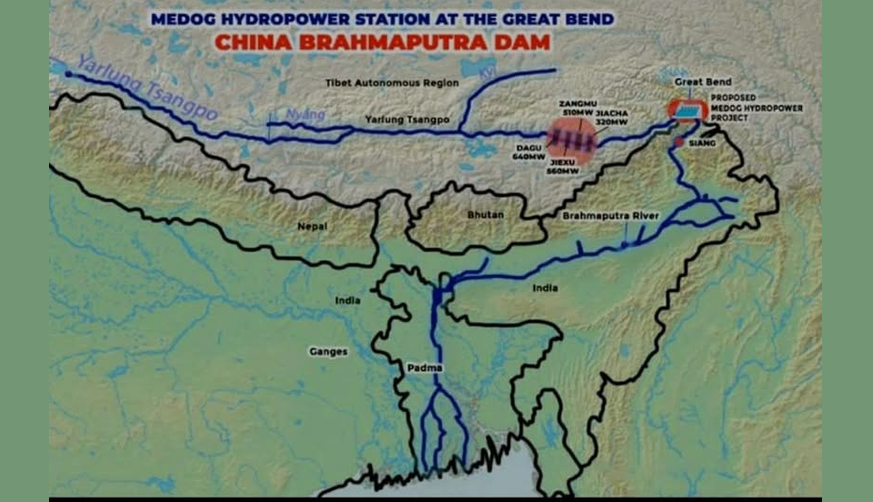
India’s ‘Hydraulic Shield’ in Arunachal Pradesh VS China’s Himalayan Gamble
Just dozens of kms from Indian frontier, Beijing is developing the world’s largest hydropower project on the Yarlung Tsangpo river that turns Siang in Arunachal
Prasanta Paul·09 Sep 2026
International
Chinese Relief Receives ‘Solidarity’ Medal from CPI(M); India Scores a Blank
CPM’s political compass permanently displays irresistible tendency to swivel towards Beijing & the ideological retina springs into action if China sneezes even.
Prasanta Paul·07 Sep 2026
International
When the Mountains Fell: A Foreman’s Nine-Day Tryst with Death
Tale of the extraordinary choice of one foreman facing death under a collapsing mountain: rare combination of courage, camaraderie, faith, tragedy and miracle.
Prasanta Paul·05 Sep 2026
