BreakingInternational
Re-Schooling the Planet: Why the Himalayas Hold the Key to Saving Our Fragmented World
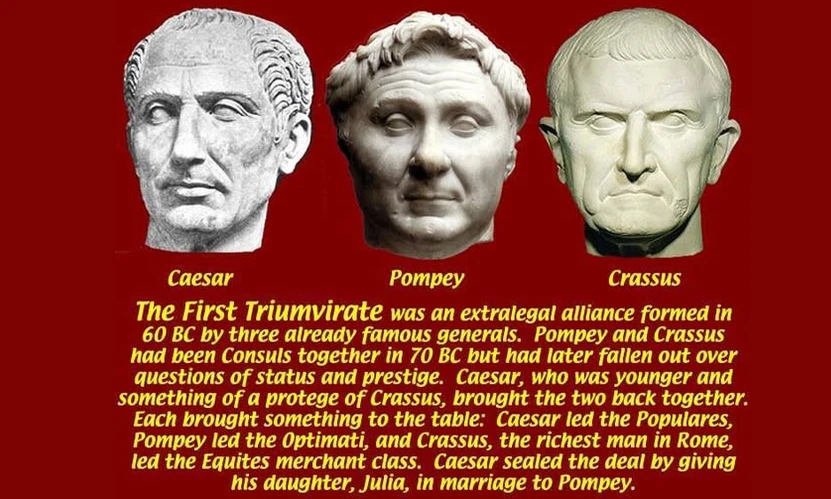
The triumvirate could teach integration over division
31 Oct 2026, 10:16 am IST·4 min read
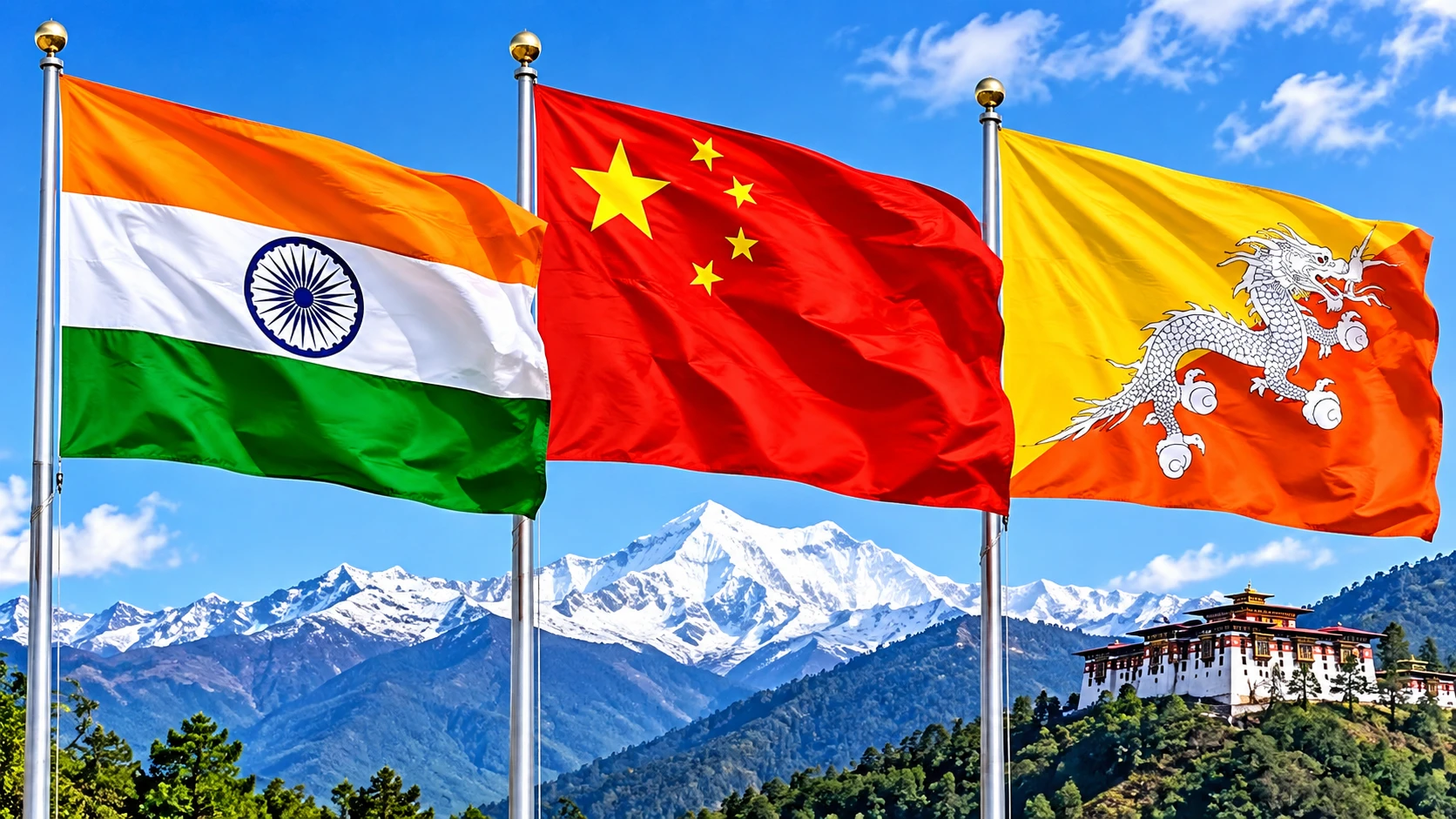
The modern world is trapped in a dangerous loop.
We are attempting to solve planet-sized problems—like climate change and geopolitical conflicts—using exactly the same logic that created them: intense competition, aggression, and endless extraction.
From tender age, our schools train us to view the world as spheres of deep division. We study biology separately from chemistry, despite both being inseparable in any organism. We learn history as a mere timeline of violent wars won by the powerful. We are charged to outperform our peers rather than improve ourselves.
This fragmented way of thinking has created a hyper-competitive, consumerist culture that treats the Earth as a dead asset to be exploited. To save ourselves from ecological and social collapse, we need a complete rewrite of our educational DNA.
The answer lies in an unexpected place: a Trans-Himalayan civilisational coalition among India, China, and Bhutan. They need to come together fast.
These three neighbours share a unique, thousands-of-years-old civilisational worldview that naturally understands wholeness, integration, and human-nature harmony. By combining their ancient wisdom with modern science, this trio can offer the world a practical roadmap for holistic education.
The Strengths of the Trio
Each of these three nations brings a vital piece to the puzzle, proving that civilisational roots can perfectly blend with modern progress:
Bhutan's Living Blueprint: Bhutan, ideal for tiny states, is proving daily that holistic education can only save them. For decades, it has rejected pure GDP growth to focus on Gross National Happiness (GNH).
Through its "Educating for GNH" framework, Bhutanese schools weave ecological awareness into every grade. Students practice mindfulness, engage in community service, and learn directly from nature, understanding that personal well-being depends on the well-being of all living things.
India’s Massive Reimagination: India holds a deep intellectual inheritance rooted in Vasudhaiva Kutumbakam—the idea that the entire world is one interconnected family.
Today, India is home to the largest youth population on Earth and is actively trying to dismantle its colonial, fragmented school system through the National Education Policy (NEP 2020). By introducing multidisciplinary learning and "Holistic Progress Cards" that grade empathy and emotional intelligence alongside academics, India is scaling holistic education to a historic level.
China’s Large-Scale Transformation: China, one of the world's oldest continuous civilisations, possesses unmatched institutional and technological capacity. Its modern curriculum embeds the Confucian philosophy of Lide Shuren, prioritizing moral character over raw metrics.
Furthermore, by leveraging the ancient concept of Tian Ren He Yi (harmony between humanity and nature), China demonstrates how indigenous wisdom can drive green technology and environmental sustainability.
A Global Renaissance, Not a Conflict
This proposal is not about declaring Eastern cultural superiority or creating a new political bloc to fight the West. Modern Western civilisation has given humanity incredible advances in medicine, science, and human rights. However, its industrial and extractive economic models have led to severe social isolation and environmental decay.
The goal of a Trans-Himalayan coalition is to spark a global educational renaissance. It shifts the question from "Which civilisation will rule the world?" to "What can each civilisation contribute to humanity's transition from fragmentation to salubriousness?".
While India and China face internal contradictions—often slipping into Western-style consumerism and realpolitik—their shared civilisational roots give them the unique strength to slow down and practice restraint.
For this educational shift to take root, global superpowers like the United States and Russia must also practice strategic patience, stepping back from hyper-militarism to give the world a peaceful buffer to heal its mind.
The Way Forward
The Himalayas should no longer be viewed merely as a heavily guarded geopolitical border. Instead, the region can, like the ancient period, become an intellectual and ecological bridge. By training young minds to see relationships rather than just accumulating information, education can finally teach transgenerational responsibility.
The future of our planet depends on replacing global division with ecological wholeness. India and China hold the immense civilisational power and the massive youth populations required to lead this shift on a global scale.
If these two giants can look past borders and unite through their shared ancient wisdom, they can successfully rescue humanity from the brink and a systematic collapse.
We urge the leaders of India and China to champion this Trans-Himalayan educational renaissance and build a sustainable world for generations to come.
Meaningful transformation takes time, and the journey must begin with humility. If India, China, and Bhutan can successfully pool their civilisational strengths, they can pave the way for a wiser, more sustainable world where other nations will undoubtedly want to join.
By blending ancient wisdom like Gross National Happiness and world-family ethics with modern science, the triumvirate could teach integration over division. This is the ultimate educational renaissance—shifting the global mindset from a race for dominance to shared survival.